
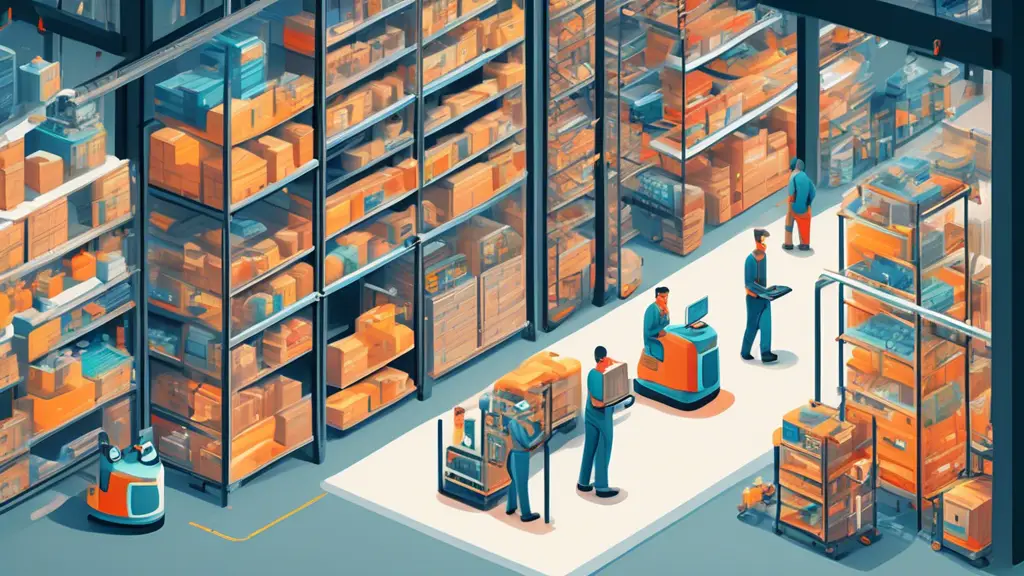
Imagine a world where your inventory practically manages itself, where the complexities of supply chain operations are effortlessly handled by cutting-edge technology, allowing you to focus on what truly matters—growing your business. This vision isn’t as futuristic as it sounds. With advancements in automation, artificial intelligence (AI), machine learning, and the Internet of Things (IoT), modern inventory management and fulfillment processes are undergoing a significant transformation. These tech innovations aren’t just buzzwords; they’re powerful tools that can supercharge your inventory, enhance accuracy, and boost efficiency from start to finish.
In the realm of inventory management, AI and machine learning are the unsung heroes. They empower businesses with predictive analytics to forecast demand more accurately, ensuring that you have the right products at the right time. Imagine a system that tracks your inventory in real-time, providing instant updates and automating stock replenishment to prevent out-of-stock scenarios and overstock issues. The result? Streamlined operations that save time, reduce costs, and improve customer satisfaction.
On the ground, technologies like RFID and IoT are elevating the precision and speed of inventory checks. RFID tags simplify the tracking process by reducing human error and providing precise, real-time data, making manual scanning and stock counts a thing of the past. Coupled with IoT, these tools create a connected network where every item is accounted for, adding a layer of efficiency and reliability to your inventory management.
But the tech revolution doesn’t stop at inventory management. Robotics and automation are making waves in warehousing as well. Automated guided vehicles (AGVs) and robotic sorting systems are shining examples of how automation can boost productivity while cutting down on labor costs. These robots work tirelessly to move, sort, and manage goods, ensuring faster and more accurate order fulfillment.
Moreover, advanced software solutions like Warehouse Management Systems (WMS) and Enterprise Resource Planning (ERP) software are key to seamless operations. These platforms offer an integrated approach to managing various aspects of the supply chain, from inventory levels to order processing and fulfillment. The benefits are clear: improved efficiency, reduced lead times, and a more agile, responsive supply chain that can adapt to ever-changing market demands.
In essence, the convergence of these innovative technologies holds the promise of revolutionizing inventory and fulfillment processes. By leveraging AI, IoT, robotics, and sophisticated software systems, businesses can achieve a level of operational excellence that was once deemed impossible. The future of inventory management and fulfillment is not just automated—it’s intelligent, interconnected, and incredibly efficient. Are you ready to supercharge your inventory and redefine your supply chain game?
Revolutionizing Inventory Management with Automation Technologies
The Role of AI and Machine Learning in Streamlining Operations
Artificial intelligence (AI) and machine learning are not just buzzwords; they are powerhouses revolutionizing inventory management. These technologies bring predictive analytics to the forefront, particularly useful for demand forecasting. Imagine being able to foresee what your customers will need next month or even three months down the line. Predictive analytics leverages historical data and complex algorithms to forecast demand accurately, helping businesses maintain optimal stock levels. This means less overstock and fewer stockouts, ultimately leading to enhanced customer satisfaction and reduced costs.
Another major benefit is real-time inventory tracking. Traditionally, businesses relied on periodic manual checks—tedious, time-consuming, and prone to human error. AI changes the game by monitoring inventory levels in real time, ensuring that you always know what you have in stock. Advanced software can instantaneously update inventory records every time a sale is made or stock is replenished, providing a continually accurate view.
Automated stock replenishment is the icing on the cake. Gone are the days when staff had to manually reorder items from suppliers. Systems powered by AI can automatically trigger stock replenishment orders based on thresholds that are intelligently set by analyzing consumption patterns. This not only saves time but also ensures that you never run out of your most crucial items.
Enhancing Accuracy and Efficiency with RFID and IoT
Radio Frequency Identification (RFID) and the Internet of Things (IoT) are also key players in the world of automated inventory management. RFID technology uses electromagnetic fields to transfer data, allowing businesses to track items more easily and quickly. This minimizes the risk of human error. Imagine scanning thousands of items in a warehouse in mere seconds, all accurately logged without manual data entry. It’s almost like having a superpower at your disposal.
RFID significantly speeds up stock checks. The traditional ways of counting inventory can be incredibly laborious and time-intensive. With RFID, a simple sweep of a scanner can update your entire inventory system. This efficiency frees up time and resources that can be better used elsewhere in your business.
Moreover, RFID offers precise inventory data, an essential factor in today’s fast-paced market. Having pinpoint accuracy regarding what’s in stock helps in making informed business decisions. You’ll know exactly what needs to be ordered, reducing the risk of overstocking or stockouts.
The Internet of Things amplifies these benefits by connecting all your inventory-related devices. Imagine a network of smart shelves and sensors that monitor stock levels in real time and communicate this data to your central inventory system. The synergy between RFID and IoT provides unparalleled control and accuracy over your inventory, allowing you to adapt quickly to changing demand and market conditions.
In essence, the integration of AI, machine learning, RFID, and IoT is transforming inventory management from a labor-intensive process to an efficient, accurate, and automated system. Businesses that adopt these technologies are not just keeping pace with the competition but setting new standards in operational excellence. So, if you’re looking to streamline your operations and boost your bottom line, now is the time to embrace these revolutionary technologies.
Empowering Fulfillment: How Tech Innovations are Re-shaping the Supply Chain
Robotics and Automation in Warehousing
When you think of a warehouse, you might picture rows of shelves stacked with products and workers racing around with carts. However, technology is transforming this image. Enter Automated Guided Vehicles (AGVs) and robotic sorting systems – both game-changers in the world of warehousing.
AGVs are like robots on wheels, designed to transport goods within a warehouse. They follow digital paths set out by software, efficiently moving products from one location to another without human intervention. This is where productivity skyrockets. AGVs work tirelessly, 24/7, without the need for breaks, vacation, or even lighting. They ensure that products are always on the move, and nothing is left sitting around collecting dust.
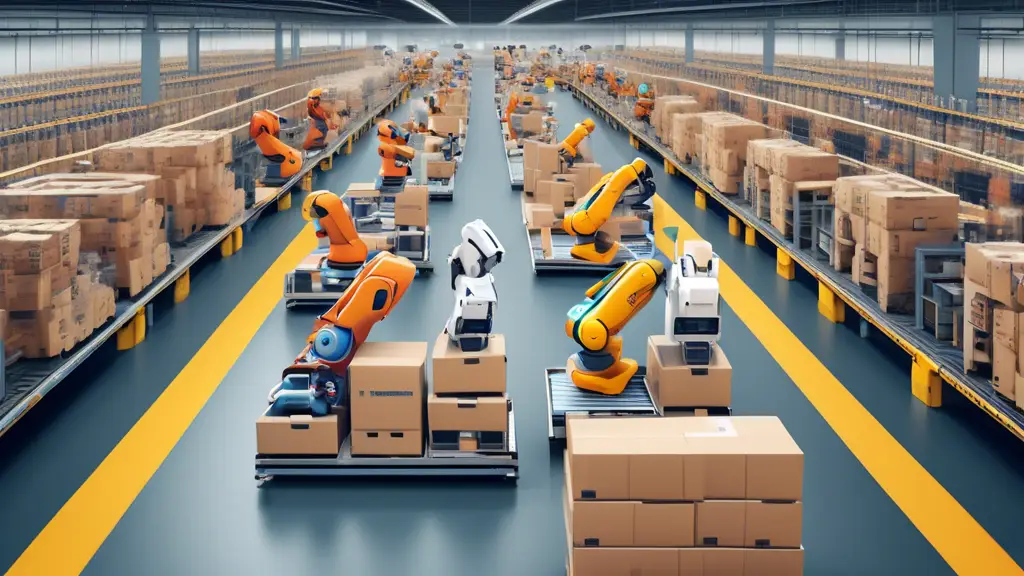
Robotic sorting systems, on the other hand, organize and sort products with pinpoint accuracy and speed. They use complex algorithms and machine learning, assessing each item and determining the best way to sort and place it. This dramatically reduces the time it takes to process and fulfill orders. Imagine a robotic arm quickly picking a product from one conveyor belt and placing it onto another, guided by nothing but code – that’s the future we’re talking about.
The impact on warehouse productivity is immense. With AGVs and robotic systems, warehouses can handle more volume with fewer errors, leading to faster fulfillment times. This also means cost savings. Less manual labor translates to reduced labor costs, and increased efficiency cuts down on wasted resources. Plus, fewer mistakes mean fewer returns, saving even more money in the long run.
Integrating Advanced Software Solutions for Seamless Operations
To further streamline fulfillment, advanced software solutions play a crucial role. Two major players in this domain are Warehouse Management Systems (WMS) and Enterprise Resource Planning (ERP) software.
A WMS is specialized software designed to optimize warehouse operations. It helps in tracking inventory levels, managing stock locations, and ensuring the timely movement of goods. With a WMS in place, you can easily locate any product, understand its current status, and track its journey through the warehouse. This level of visibility is crucial for maintaining order accuracy and streamlining processes.
One of the key benefits of a WMS is that it can reduce lead times – the period from receiving an order to delivering it. By optimizing how products are stored and picked, a WMS ensures that orders are fulfilled faster. It can also integrate with other systems, such as transportation management systems (TMS), to further speed up delivery times.
On the other hand, ERP software provides a more holistic approach. ERP systems integrate various business processes, from inventory management to accounting, procurement, and customer relationship management. By having everything in one place, businesses can achieve higher levels of efficiency and coordination.
Imagine a scenario where an ERP system receives a customer order. It automatically checks inventory levels, triggers the appropriate stock movements, and updates financial records in real-time. Meanwhile, it also coordinates with suppliers to replenish stock and schedules deliveries, all seamlessly. This level of integration ensures that every part of the business operates in harmony, reducing bottlenecks and enhancing overall productivity.
Both WMS and ERP systems offer real-time data. This is crucial for making informed decisions. For example, if a particular product is selling rapidly, the system can alert the warehouse to prepare for higher demand. Similarly, if there is a slowdown, it can adjust procurement orders accordingly. This dynamic adjustment helps in maintaining optimal inventory levels, improving cash flow, and reducing waste.
Moreover, these advanced software solutions often come with analytics capabilities. They can analyze data to uncover trends, forecast demand, and even identify potential issues before they escalate. For example, if a particular product often goes out of stock, the system can highlight this and suggest increasing order volumes or finding additional suppliers.
The implementation of WMS and ERP software does require an initial investment and some training. However, the long-term benefits far outweigh the initial costs. Businesses can expect increased efficiency, reduced errors, and better resource utilization, all of which contribute to a healthier bottom line.
In summary, the integration of robotics, AGVs, and advanced software solutions like WMS and ERP is transforming the fulfillment process. These technologies are not just about replacing human labor but enhancing overall efficiency, accuracy, and productivity. As the supply chain continues to evolve, embracing these innovations is not just an option but a necessity for staying competitive.
In conclusion, the integration of advanced automation technologies within inventory management and fulfillment processes marks a transformative shift in how businesses operate and compete. By harnessing the power of artificial intelligence and machine learning, companies can now accurately predict demand, track inventory in real time, and automate stock replenishment. This not only reduces the risk of stockouts but also minimizes overstock situations, ensuring that inventory levels are perfectly balanced to meet consumer needs.
Radio-frequency identification (RFID) and the Internet of Things (IoT) further enhance this transformation by drastically improving accuracy and efficiency. With RFID, human errors are significantly reduced, and tasks that once took hours, such as stock checks, can now be completed in minutes with pinpoint precision. The data provided by these technologies offer an unprecedented level of insight, enabling businesses to make informed decisions swiftly.
The automation of warehouse operations through robotics and automated guided vehicles (AGVs) is reshaping the landscape of supply chain management. These innovations lead to considerable productivity boosts and cost savings. Robotic sorting systems take efficiency a step further, ensuring rapid and accurate fulfillment of orders, which is critical in meeting the high expectations of today’s consumers.
Moreover, the integration of software solutions like warehouse management systems (WMS) and enterprise resource planning (ERP) software serves as a backbone for seamless operations. These systems offer comprehensive control over the supply chain, from inventory management to fulfillment, significantly reducing lead times and optimizing processes. By leveraging these advanced tools, businesses can achieve greater operational efficiency and maintain a competitive edge in a rapidly evolving market.
In essence, the deployment of these technologies not only supercharges inventory management and fulfillment but also prepares businesses to navigate the complexities of modern supply chains. The result is a more agile, resilient, and responsive operation, poised to meet the demands of a dynamic marketplace. As these technological advancements continue to evolve, the potential for further enhancement in efficiency and effectiveness holds great promise for the future of inventory and fulfillment management.


