
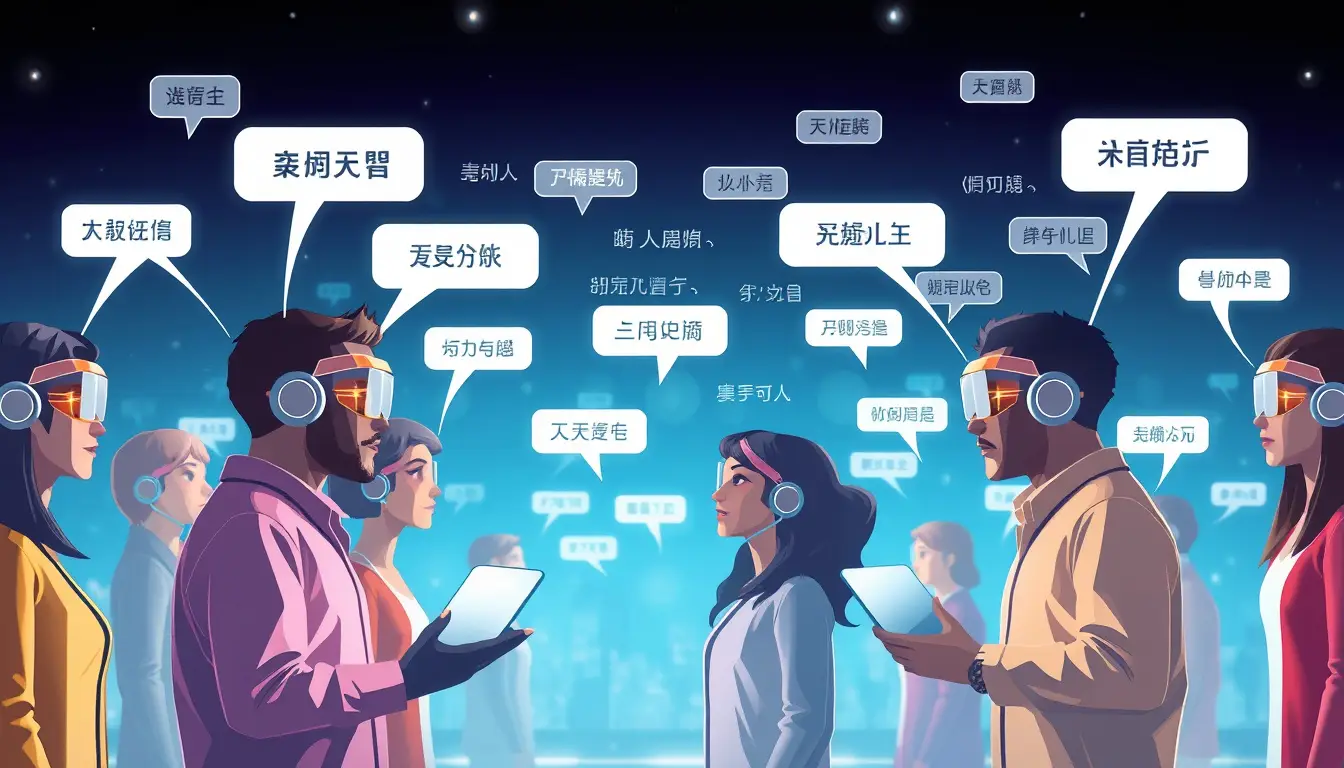
Today, the world connects fast. We need clear words to share ideas. Automated translation now helps people and companies cross language gaps. This article shows how these tools grow and work. It covers uses, wins, limits, and where machine translation (MT) is heading.
The Evolution of Automated Translation Services
Modern systems use smart tools like artificial intelligence (AI) and machine learning (ML). They work by linking words directly to their meanings. Early systems followed set rules. Now, neural machine translation (NMT) helps words connect more clearly. Leaders such as Google Translate, DeepL, and Amazon Translate use huge word sets. They learn from each exchange to improve.

Applications of Automated Translation
1. Expediting Communication
Automated tools speed up everyday talk:
- Personal Use: Travelers use apps to read menus, find maps, and chat simply. They get directions fast.
- Business Correspondence: Global companies send short, clear messages to partners. They use MT to bridge language gaps.
2. Supporting Technical Documentation
For plain texts like manuals in tech, engineering, or healthcare, MT works well. Here, exact words matter more than style. Automated systems deliver quick, clear instructions.
3. Enhancing Customer Engagement
Businesses use these tools for social media. They post clear replies in many tongues. Fast translations boost customer trust and ease.
4. Live Event Translation
At global conferences, MT gives real-time word help. This lets many listen and understand clearly. It brings events closer to all.
Advantages of Automated Translation
- Cost-Effectiveness: Fewer costs go to hiring translators for large tasks.
- Speed: MT gives near-instant results.
- Scalability: Companies can add more languages without extra work.
Limitations of Automated Translation
MT also has faults:
- Accuracy Issues: Hard texts need understanding of tone and subtle ideas. Legal or medical texts prove tough.
- Cultural Sensitivity: MT may miss jokes, idioms, or local hints.
- Confidentiality Concerns: Free online tools may keep or study user words.
Integrating Human Expertise
A mix of MT and human editing works best. Humans check MT for clear tone and right meaning. They fix gaps, especially in important texts like ads and legal documents.
The Future of Automated Translation
Changes will improve MT tools:
- Enhanced AI Capabilities: New AI will link words with deeper context, closing gaps with human work.
- Increased Customization: Firms soon may use tailored MT that fits their own terms.
- Greater Integration: Future tools will blend into video calls and chatbots. They make live translation smooth across media.
Conclusion
Automated translation transforms global talk by closing language gaps. It does not replace human work. Yet, it boosts both personal and business links. As tech grows, a strong bond of MT and human skill will change language use. This bond builds more global ties and deeper understanding.
[color=rgb(34, 34, 34)]Zing Business Systems revolutionizes customer engagement with its innovative communication solution. Our service ensures no missed call goes unanswered by transforming them into SMS conversations, bridging the gap between businesses and their customers. With our cutting-edge technology, we turn potential lost business opportunities into fruitful interactions, providing a seamless, modern communication experience. This approach not only enhances customer service but also supports digital marketing efforts. Experience the power of optimized communication and never lose business to a missed call again with Zing Business Systems. https://zinggrow.com/zing-ai[/color]


