
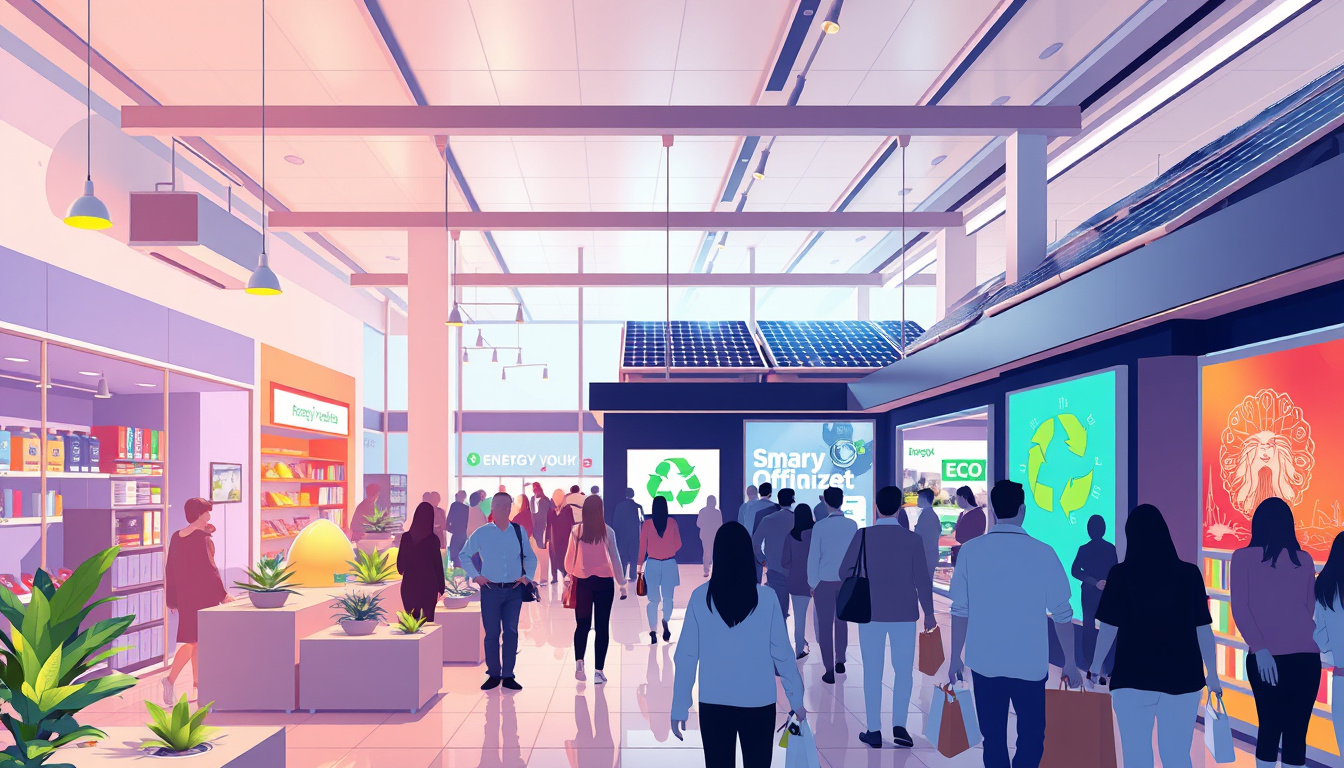
Retailers compete hard today. Energy use matters much. Retailers with thin margins must use energy smartly. Saving on energy cuts costs and helps the environment. This article gives clear ways to save energy, lower costs, boost sustainability, and make operations run smoother.

Understanding Energy Consumption in Retail
Stores use much energy. Each square foot needs about 14.3 kilowatt-hours of electricity and 30.9 cubic feet of natural gas each year. Many things affect this use. For example:
- Type of Merchandise: Stores with energy-hungry items like electronics or refrigerated goods face high costs.
- Hours of Operation: More open hours mean more energy used.
- Location and Climate: A store in a harsh climate pushes HVAC systems to work harder.
- Lighting Needs: The number and type of lights can raise energy bills.
Knowing these points helps retailers cut waste and save money.
Steps to Optimize Energy Usage
1. Conduct an Energy Audit
Start with an audit. It reveals how energy flows and shows wasteful spots. Retailers find their biggest energy drains. They then target these areas to fix problems.
2. Upgrade to Energy-Efficient Lighting
Switch lights to energy-efficient types like LEDs. LEDs use less power and last longer than old bulbs. They keep costs low and lower replacement needs.
3. Implement Smart HVAC Systems
Use smart thermostats to control heat and cooling. These systems match energy use to store hours. They adjust settings when stores are empty. This tactic helps save power during low use.
4. Monitor Energy Usage
Set up real-time energy tracking. Monitor each device and area. Such close checks spot misuses fast. Data then guides further energy tweaks.
5. Upgrade Equipment
Choose ENERGY STAR-rated tools and machines. New models work better than older ones. They use less energy and cut long-term expenses. Although new gear can cost more at first, the savings add up.
6. Automate Energy Systems
Use cloud energy managers. These systems adjust lights and HVAC automatically. They work across many stores and save energy by quick changes.
7. Engage Employees
Involve staff in energy saving. Train workers and ask them to flag energy waste. This builds a team that cares about efficiency.
8. Continuously Improve and Report
Set clear goals and use charts to show progress. Regular reviews catch issues early. Sharing energy data improves the brand with eco-aware customers.
Benefits of Energy Optimization
Saving energy brings many wins:
- Cost Savings: Lower bills boost profit in stores with slim margins.
- Environmental Sustainability: Less energy means fewer emissions. This meets global green goals.
- Enhanced Brand Reputation: A green image wins approval from eco-aware buyers.
- Operational Efficiency: Better energy use means smoother work and less waste.
Conclusion
Energy optimization is not just about cutting bills. It is a smart step to boost both profit and green efforts. By checking energy use and fixing waste, stores can save money and build a strong brand. In today’s world, where energy counts, smart use is a wise move.
[color=rgb(34, 34, 34)]Zing Business Systems revolutionizes customer engagement with its innovative communication solution. Our service ensures no missed call goes unanswered by transforming them into SMS conversations, bridging the gap between businesses and their customers. With our cutting-edge technology, we turn potential lost business opportunities into fruitful interactions, providing a seamless, modern communication experience. This approach not only enhances customer service but also supports digital marketing efforts. Experience the power of optimized communication and never lose business to a missed call again with Zing Business Systems. https://zinggrow.com/zing-ai[/color]


