

Today’s market grows tough. You need to know your customers well. Customer segmentation analysis helps you do this. It shows you how to split your customers into clear groups. Each group has its own traits. Then, you can shape your marketing to meet each group’s needs. This article shows what segmentation means, its types, benefits, and uses to boost your success.
What is Customer Segmentation Analysis?
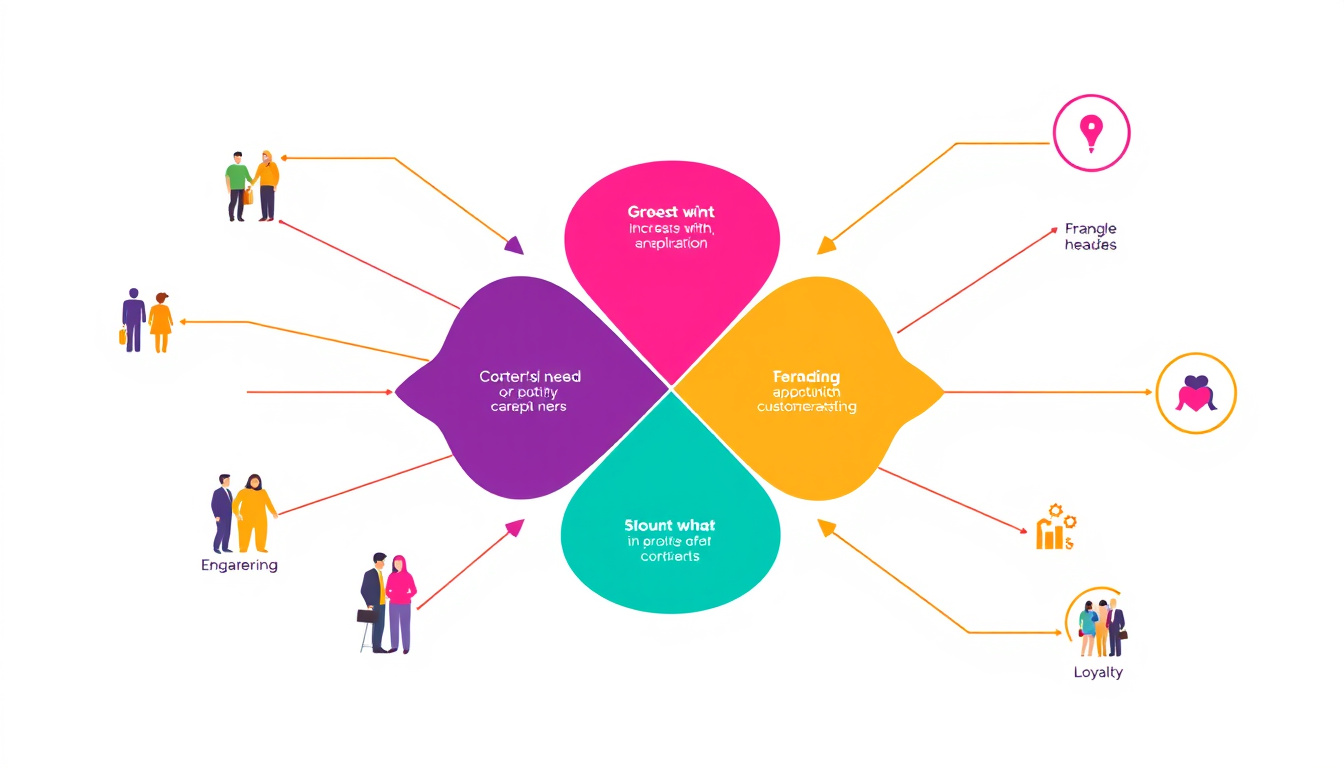
Customer segmentation analysis splits your customer base into groups. Each group shares similar traits. You may notice these traits in age, habits, and lifestyle. The goal is simple. Tailor your marketing and product offers to fit each group. This fit raises customer satisfaction and loyalty. By marking differences, you send messages that work better. One example is using past purchase data from high-value customers. Then, you create campaigns that invite inactive customers back.
Why is Customer Segmentation Important?
There are strong reasons to use customer segmentation analysis in your strategy:
Maximizing Customer Lifetime Value (CLV): You learn which groups bring the most long-term value. Then you focus on those high-value groups to keep them longer.
Enhanced Marketing Efficiency: You send clear and personal messages to each group. This clarity raises engagement and conversion.
Market Responsiveness: Customer tastes change. Segmentation lets you react fast. You can change products and strategy to fit these changes.
Refined Product Offerings: Group insights guide product updates. Tailored offers meet each group’s needs better.
Types of Customer Segmentation
Businesses use different segmentation types. Pick what fits your goals. The main types are:
Demographic Segmentation: Split customers by age, gender, income, and education. For luxury items, you may target higher-income groups. For budget products, you appeal to cost-conscious groups.
Psychographic Segmentation: Look deeper. Focus on lifestyle, interests, values, and personality. For example, a brand targets adventure lovers with outdoor gear.
Behavioral Segmentation: Group by buying habits, usage, and activity. Study purchase frequency and order size. This insight shapes upsell offers or personal deals.
Geographic Segmentation: Mark where customers live. This awareness helps in running local campaigns. Rural and urban groups may need different messages.
Firmographic Segmentation: In B2B, group customers by industry, company size, and revenue. This way, you create solutions that fit each business sector.
The Process of Customer Segmentation Analysis
A typical segmentation process has these steps:
Data Collection: Collect data from transactions, surveys, and online habits.
Segmentation Method Selection: Choose a suitable model or mix of models.
Segment Identification: Find groups in the data that match your criteria.
Insights and Strategy Development: Learn from each group. Then, adjust your marketing, offers, and messages.
Performance Evaluation: Watch how well your plan works. Adjust if needed.
Leveraging Advanced Techniques for Segmentation
Today, many use advanced tools like machine learning. These tools scan big data fast. They find trends you might miss. This approach helps target new groups on the fly. Predictive analytics also plays a role. It guesses how customers will act. With these guesses, you plan retention campaigns for those at risk.
Conclusion
Customer segmentation analysis goes beyond being a trend. It drives engagement, loyalty, and success. When you see each group’s needs, you send clear messages that work. This attention helps your brand grow in a changing market. Smart segmentation analysis gives you the tools you need to serve your customers well and unlock lasting success.
[color=rgb(34, 34, 34)]Zing Business Systems revolutionizes customer engagement with its innovative communication solution. Our service ensures no missed call goes unanswered by transforming them into SMS conversations, bridging the gap between businesses and their customers. With our cutting-edge technology, we turn potential lost business opportunities into fruitful interactions, providing a seamless, modern communication experience. This approach not only enhances customer service but also supports digital marketing efforts. Experience the power of optimized communication and never lose business to a missed call again with Zing Business Systems. https://zinggrow.com/zing-ai[/color]


