
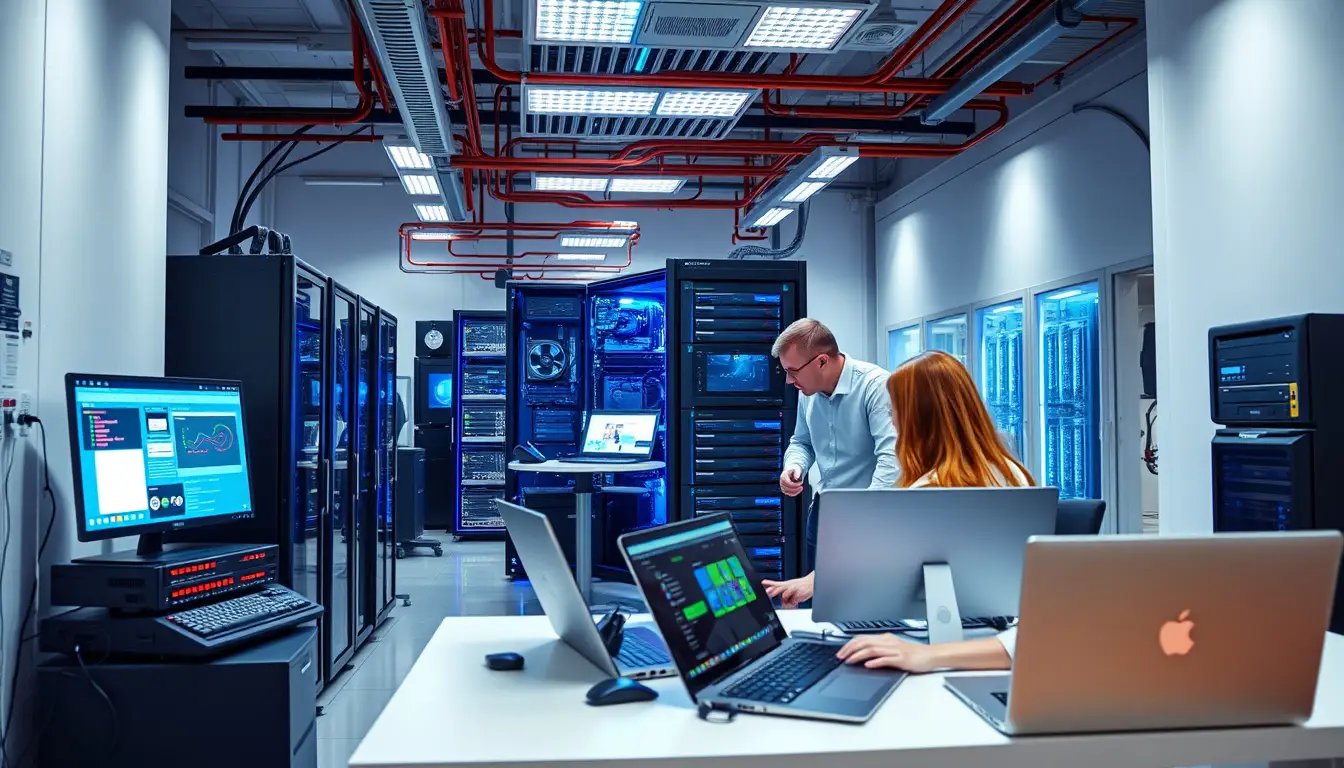
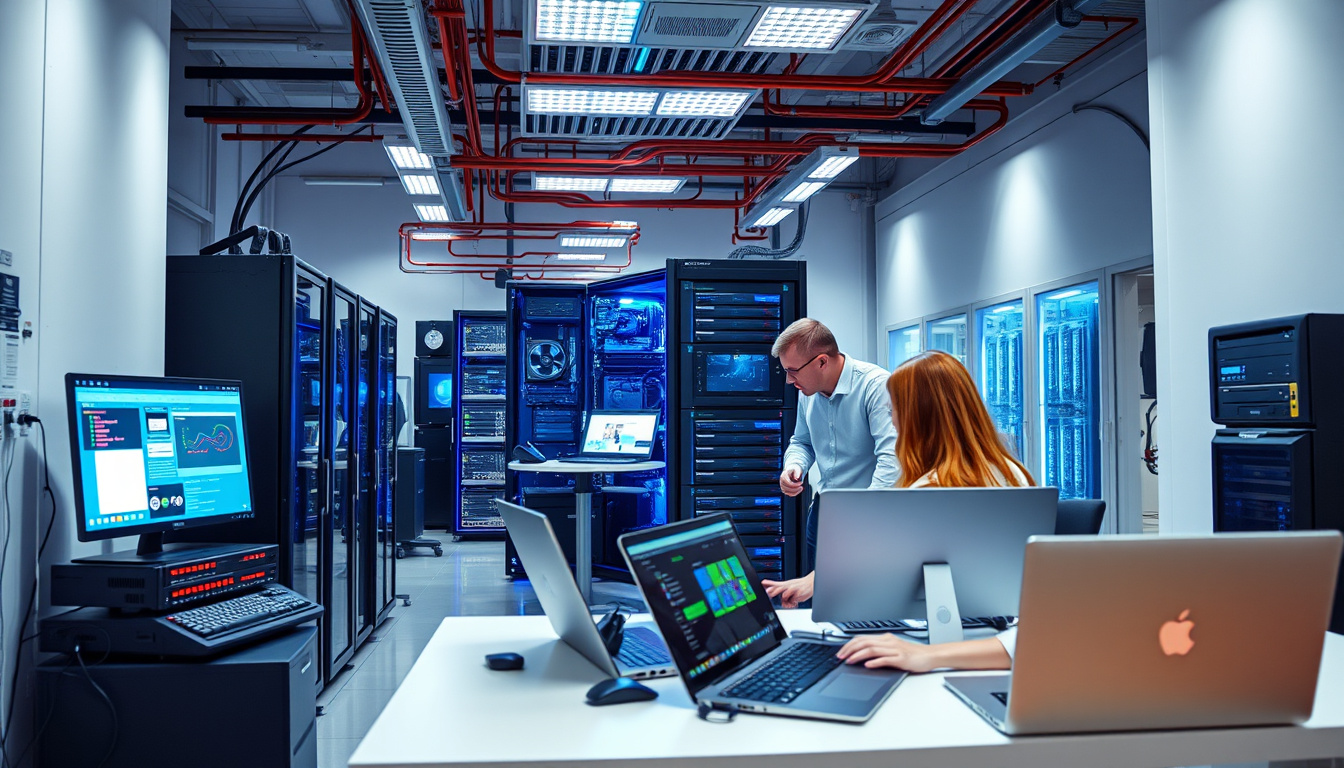
In today’s digital landscape, making informed decisions regarding IT infrastructure is pivotal for any business aiming to enhance overall performance and efficiency. With an array of options available, the process of choosing the right IT hardware can be daunting. This article delves into essential tips for choosing the right IT hardware, helping you align your selections with your company’s unique needs. From understanding your business requirements and evaluating hardware specifications to comparing costs and benefits, and future-proofing your investments, each step in this guide is designed to empower you in making well-informed decisions that will lead to sustained growth and operational success.
Key Takeaways
- Assess your specific business needs before selecting IT hardware.
- Thoroughly evaluate hardware specifications to ensure they meet your operational requirements.
- Carefully compare costs and benefits to make informed financial decisions.
- Consider scalability and compatibility to future-proof your IT investments.
- Stay updated on emerging technologies to enhance your business performance over time.
Understanding Your Business Needs
When it comes to choosing the right IT hardware, understanding your business needs is paramount. Every organization is unique, with specific operational requirements, budget constraints, and growth aspirations. Begin by assessing the size of your business: larger enterprises may require robust server solutions to manage extensive data loads, while smaller firms might benefit from more agile, cost-effective desktop setups. Additionally, consider the nature of your work; for instance, graphic design firms will demand high-performance graphics processing units (GPUs) while an accounting office may prioritize reliable laptops with strong spreadsheet capabilities. By tailoring your choice of hardware to fit these needs, you not only enhance productivity but also ensure longevity and scalability in your investment.
Evaluating Hardware Specifications
When it comes to choosing the right IT hardware, evaluating hardware specifications is crucial for ensuring that your systems can effectively meet the demands of your current and future business operations. Start by assessing the processor type and speed, as this will significantly impact your system’s overall performance. A multi-core processor can handle more tasks simultaneously, providing better multitasking capabilities. Next, consider the amount of RAM, which affects the speed at which applications run and how many can be active at once. Storage type is also essential; opting for SSDs over traditional hard drives can enhance data access times and overall system responsiveness. Additionally, evaluate the graphics capabilities if your tasks involve graphic-intensive applications. Finally, don’t overlook compatibility with existing software and infrastructure. By carefully analyzing these hardware specifications, you can make informed decisions, ensuring that you select IT hardware that aligns perfectly with your operational needs.
‘The best way to predict the future is to invent it.’ – Alan Kay

Comparing Costs and Benefits
When it comes to choosing the right IT hardware for your business, understanding the costs and benefits associated with each option is crucial. Investing in high-quality IT hardware can significantly enhance your company’s efficiency and productivity, but it’s essential to balance this against your budget constraints. For instance, while high-end servers may possess advanced features and durability, they often come with a higher price tag. Conversely, opting for budget-friendly IT hardware might save you money upfront, but could lead to increased maintenance costs and lower performance over time. Therefore, when comparing costs and benefits, consider not just the initial spending, but also how the hardware will support your operational needs in the long run. Evaluate the total cost of ownership (TCO), which includes setup, maintenance, and upgrade costs, while factoring in the potential returns on investment (ROI) through improved performance and productivity, helping you make an informed decision in choosing the right IT hardware for your organization.
Future-Proofing Your Investment
In the rapidly evolving world of technology, choosing the right IT hardware is essential for future-proofing your investment. Businesses and individuals alike must consider how their hardware decisions impact not only current performance but also future scalability and compatibility. When selecting IT hardware, it’s crucial to assess not just the immediate needs but also how emerging technologies might influence your requirements in the coming years. Look for equipment that supports the latest standards, offers expandability, and can seamlessly integrate with cloud services and advanced software applications. By taking the time to choose the right IT hardware now, you will ensure a robust foundation that can adapt to future innovations, thus maximizing your return on investment and minimizing potential disruptions.
Frequently Asked Questions
What factors should I consider when understanding my business needs for IT hardware?
You should analyze your current and future operational requirements, the types of applications and software you will use, the volume of data, and the number of users who will access the hardware.
How do I evaluate hardware specifications effectively?
Look at key specifications such as processor speed, memory capacity, storage type and capacity, and compatibility with existing systems. It’s also important to consider scalability and the type of support offered by the manufacturer.
What is the importance of comparing costs and benefits when choosing IT hardware?
Comparing costs and benefits helps you to determine the best value for your investment. It’s not just about the initial purchase price, but also the long-term maintenance, energy consumption, and how well the hardware supports your business goals.
What does it mean to future-proof my IT hardware investment?
Future-proofing involves selecting hardware that will remain effective as technology evolves. Look for adaptable systems that can handle upgrades or expansion, and consider the longevity and reliability of the components.
Are there specific brands or types of hardware that are recommended for small businesses?
While there’s no one-size-fits-all solution, reputable brands like Dell, HP, and Lenovo often provide reliable options for small businesses. Evaluating user reviews and specific needs will help you choose the best hardware for your situation.
[color=rgb(34, 34, 34)]Zing Business Systems revolutionizes customer engagement with its innovative communication solution. Our service ensures no missed call goes unanswered by transforming them into SMS conversations, bridging the gap between businesses and their customers. With our cutting-edge technology, we turn potential lost business opportunities into fruitful interactions, providing a seamless, modern communication experience. This approach not only enhances customer service but also supports digital marketing efforts. Experience the power of optimized communication and never lose business to a missed call again with Zing Business Systems.[/color]


