

In the rapidly evolving world of e-commerce, staying ahead of the curve is not just a competitive advantage—it’s a necessity. As technology continues to advance at lightning speed, online retailers must constantly innovate to meet ever-changing consumer demands and preferences. But what exactly does the future hold for online retail? To answer that, we need to look at the emerging technologies and shifting market trends that are defining the landscape.
Artificial Intelligence (AI) and Machine Learning (ML) are no longer just buzzwords; they’re transformative forces shaping the future of e-commerce. From personalized marketing to advanced customer service solutions, these technologies are revolutionizing the way businesses interact with consumers. Imagine a shopping experience where every recommendation feels tailor-made just for you, thanks to algorithms that learn your preferences and anticipate your needs. This isn’t a distant future—it’s happening now.
Similarly, Augmented Reality (AR) and Virtual Reality (VR) are enhancing online shopping experiences by bridging the gap between the virtual and physical worlds. Picture trying on a pair of shoes or previewing how a piece of furniture will look in your living room, all through the screen of your smartphone or a VR headset. These technologies are breaking down the barriers that have traditionally hindered online shopping, making it more immersive and interactive than ever before.
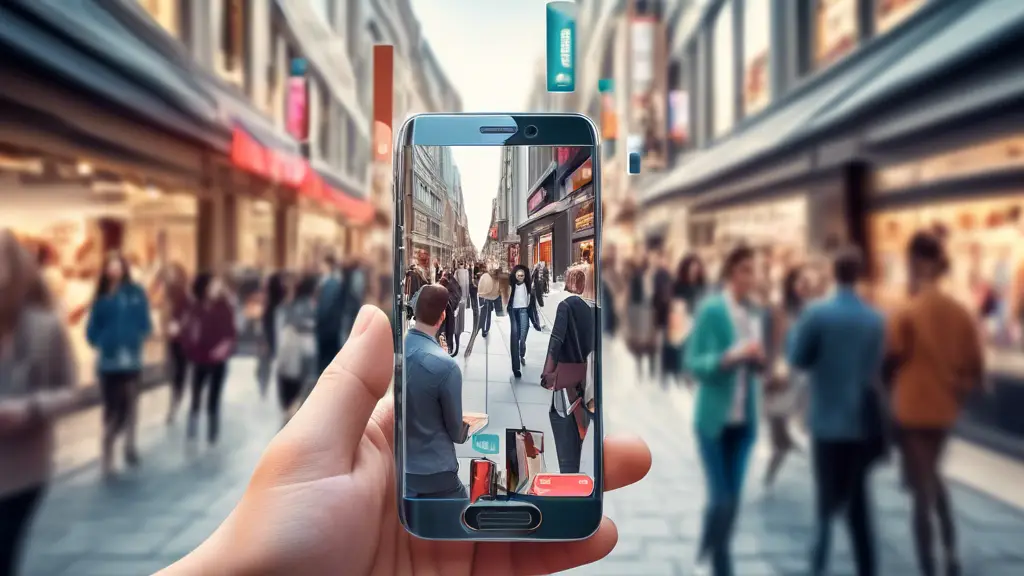
However, emerging technologies are only part of the story. Understanding the market evolution and shifting consumer behavior is equally crucial. Mobile shopping is one trend that’s impossible to ignore. With smartphones becoming an integral part of our daily lives, more people are making purchases on their mobile devices than ever before. Recent statistics show that mobile commerce is on a meteoric rise, emphasizing the need for e-commerce platforms to optimize for mobile users.
Another trend reshaping the e-commerce landscape is the growing demand for sustainability and ethical shopping. Consumers today are more conscious of their ecological footprint and are increasingly seeking out eco-friendly products and brands that prioritize ethical practices. This shift in consumer behavior is driving online retailers to rethink their strategies and embrace sustainability, not just as a trend, but as a core component of their business models.
As we delve deeper into the world of e-commerce, these trends and technologies offer a glimpse into what’s next for online retail. Whether you’re a seasoned business owner or a curious consumer, understanding these dynamics is essential in navigating the future of online shopping.
Emerging Technologies Shaping the Future of E-commerce
AI and Machine Learning: Transforming Personalization and Customer Experience
Artificial Intelligence (AI) and Machine Learning (ML) are like the secret sauce that gives e-commerce platforms a competitive edge. Imagine a store that knows your preferences, recommends products you’ll love, and even helps you find what you’re looking for without breaking a sweat—this is all made possible thanks to AI and ML. Let’s break it down.
Personalized Product Recommendations: Ever noticed how sometimes you visit an online store, and it instantly suggests products you’re interested in? That’s AI and ML at work. These technologies analyze data from your previous shopping behavior, like what you’ve browsed, added to your cart, or purchased. Then, they use algorithms to make accurate predictions about what you might want next. This enhances your shopping experience by showing you items that are tailored to your tastes, increasing the likelihood that you’ll make a purchase.
Customer Service Chatbots: Have you ever interacted with a chatbot for customer service? These bots are powered by AI and ML. They can answer questions, provide product information, and even process orders. Chatbots can handle multiple customer queries simultaneously, offering instant support, which significantly improves the customer experience. Advanced bots can even learn from past interactions to provide more accurate and helpful responses over time.
Managing Inventory: AI and ML also play a crucial role behind the scenes in managing inventory. These technologies can predict which products will be in high demand, ensuring that popular items are always in stock. They can also detect patterns that might indicate when a product isn’t selling well, helping businesses make informed decisions about discounts or discontinuations.
Augmented Reality (AR) and Virtual Reality (VR): Enhancing Online Shopping Experiences
While AI and ML work behind the scenes to enhance the e-commerce experience, Augmented Reality (AR) and Virtual Reality (VR) bring the excitement to the forefront. These technologies allow customers to interact with products in ways that were previously only possible in physical stores.
Try Before You Buy: One of the biggest challenges of online shopping has always been the inability to try products before purchasing them. AR and VR are solving this problem. With AR, you can use your smartphone to see how a piece of furniture might look in your living room or how a pair of shoes will look on your feet. VR takes it a step further by offering immersive experiences, such as virtual fitting rooms. Imagine putting on a VR headset and walking through a virtual store where you can try on clothes and see how they fit from all angles.
Enhanced Product Visualization: AR and VR also improve product visualization. Customers can see 3D models of products and interact with them. You can zoom in, rotate, and view products from every angle, giving you a much better idea of what you’re buying compared to traditional 2D images. For instance, you might be able to see how the texture of a fabric looks, or how the different parts of an electronic gadget come together.
Interactive Marketing Campaigns: Businesses are leveraging AR and VR for creative marketing campaigns that engage customers in new and exciting ways. For example, a company might create a VR tour that takes you behind the scenes to see how their products are made. Or, they might use AR to create interactive advertisements that let you interact with a brand in real time. These technologies make shopping more engaging and can significantly boost customer interest and loyalty.
In conclusion, AI, ML, AR, and VR are not just buzzwords—they’re transformative technologies that are shaping the future of e-commerce. By making shopping more personalized, interactive, and efficient, they are setting new standards for what customers expect from online retail experiences. Keep an eye on these technologies, as their influence is only going to grow in the coming years.
Market Evolution and Consumer Behavior in Online Retail
The Rise of Mobile Shopping: Trends and Statistics
The evolution of mobile shopping is nothing short of revolutionary. Today, buying that snazzy new jacket or the latest gadget is as simple as a few taps on your smartphone. But how did we get here, and why is mobile shopping taking over?
According to recent studies, mobile devices account for over 70% of online retail traffic. This means people are more likely to browse and shop using their phones rather than their desktop computers. Several factors contribute to this trend. First, smartphones are far more convenient. They allow users to shop from anywhere – be it during their daily commute, a lunch break, or while watching TV.
Another key driver is the improvement in mobile payment systems. Think about Apple Pay, Google Wallet, and PayPal – these platforms make transactions smooth and secure, encouraging more people to shop on their mobile devices. Customer trust in these secure, seamless payment methods has been a significant catalyst for mobile shopping growth.
Let’s not forget about user experience. Mobile-friendly websites and dedicated shopping apps have made the process extraordinarily user-centric. Swiping through a catalog, reading reviews, and making a purchase can be done in mere minutes, sometimes seconds. Retailers are also using push notifications to alert customers about new products or sales, keeping them engaged and coming back for more.
Sustainability and Ethical Shopping: Increasing Demand for Eco-friendly Products
Today’s consumers are more informed than ever before, and many want their shopping habits to reflect their ethical values. There’s been a noticeable shift towards sustainability and ethical shopping. So, what does this mean for online retailers?
First, let’s break down sustainability. Sustainable products are those that have minimal negative impact on the environment. They might be made from recycled materials, produced using renewable energy, or designed to last longer than their conventional counterparts. Ethical shopping, on the other hand, focuses on how a product is made – are the workers paid fairly? Are the manufacturing processes humane?
Consumers are becoming increasingly aware of the environmental impact of their purchases. Statistics show that around 70% of online shoppers prefer to buy from brands that align with their values. This creates a massive opportunity for businesses to adapt and cater to this demand.
Many retailers are already stepping up to the plate. Companies like Patagonia and Allbirds are renowned for their commitment to sustainable practices. They openly discuss their production processes, use recycled materials, and even offer programs to recycle old products. This transparency helps build consumer trust and loyalty.
Moreover, online platforms now specially categorize eco-friendly products, making it easier for shoppers to find them. Amazon, for instance, has a “Climate Pledge Friendly” badge on products that meet certain sustainability standards. These features guide consumers towards making informed, ethical choices.
As the younger, more eco-conscious generation becomes the majority of the spending population, the demand for sustainable and ethically-produced products is only expected to rise. Retailers who fail to adapt may find themselves left behind.
In conclusion, the future of e-commerce is a dynamic landscape poised for transformative advancements, driven by the integration of emerging technologies and shifts in consumer behavior. As artificial intelligence (AI) and machine learning continue to revolutionize personalization in online retail, businesses can offer hyper-targeted recommendations, ultimately enhancing the overall customer experience. These technologies enable retailers to predict customer preferences and behaviors with unprecedented accuracy, creating a more seamless and intuitive shopping journey.
Meanwhile, the adoption of augmented reality (AR) and virtual reality (VR) is set to redefine online shopping by bridging the gap between the virtual and physical worlds. These immersive technologies provide consumers with interactive and engaging experiences that bring products to life, allowing them to virtually try before they buy and making online shopping more enjoyable and trustworthy.
The rise of mobile shopping cannot be ignored, as more consumers prefer the convenience of purchasing through their smartphones. This trend is supported by compelling statistics that highlight significant increases in mobile e-commerce traffic and sales. Retailers that optimize their platforms for mobile users are likely to see substantial growth, benefiting from the pervasive use of mobile devices in everyday life.
Additionally, the growing consumer consciousness around sustainability and ethical shopping is reshaping market trends. Shoppers are increasingly demanding eco-friendly products and practices, prompting retailers to adopt greener strategies and transparent supply chains. This shift not only meets consumer expectations but also aligns with broader global efforts to address environmental concerns.
In essence, the future of online retail is marked by a blend of technological innovation and evolving consumer values. Retailers that embrace AI, AR, VR, mobile optimization, and sustainable practices are positioning themselves at the forefront of this rapidly changing industry. By staying attuned to these trends and continuously adapting, e-commerce businesses can thrive in an environment where customer experience and ethical considerations are paramount.


