
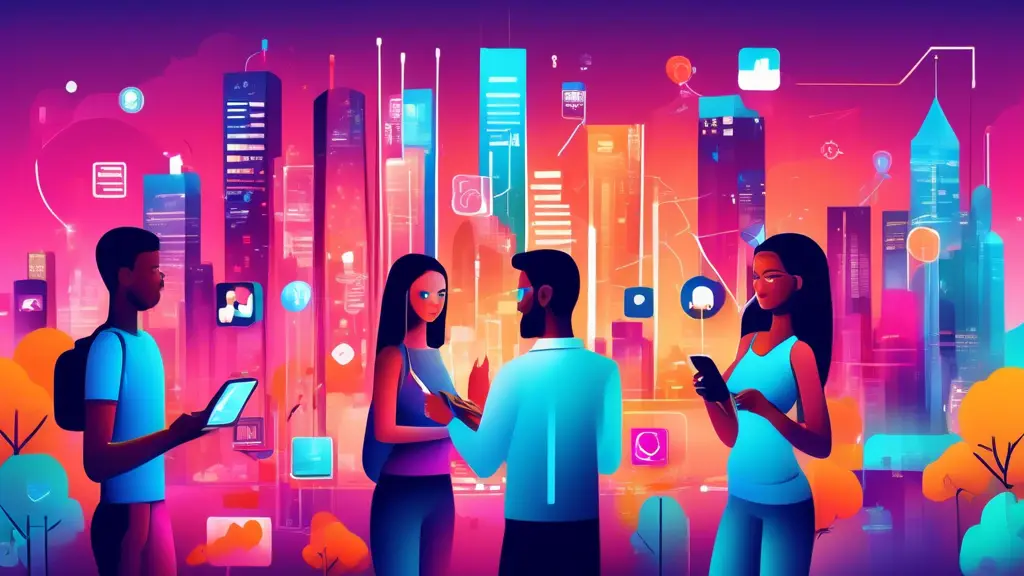
In today’s fast-paced digital era, mobile marketing has emerged as a game-changer in the way businesses connect with their customers. As smartphones have become virtually inseparable from our daily lives, companies have realized the immense potential of mobile platforms to engage, inform, and build lasting relationships with their audience. This evolution has transformed customer engagement from the old-school methods of mass advertising to highly targeted and personalized interactions.
The journey of mobile marketing began with the advent of SMS campaigns, where businesses sent promotional messages directly to their customers’ phones. It was simple, direct, and incredibly effective. However, as technology progressed, so did the capabilities of mobile marketing. Today, we see an amalgamation of sophisticated tools and trends such as mobile apps, push notifications, location-based services, and in-app advertising, all designed to capture the user’s attention in a more meaningful and personal way.
Some of the key trends driving this evolution include the rise of artificial intelligence (AI) and machine learning, which enable marketers to analyze vast amounts of data and predict customer behavior with unprecedented accuracy. The integration of augmented reality (AR) in mobile marketing campaigns has also added a new dimension to how brands can interact with consumers, providing immersive experiences that traditional media simply cannot match.
But what makes mobile marketing particularly powerful is its ability to foster deeper customer engagement. Unlike traditional marketing channels, mobile marketing allows businesses to have real-time, two-way communication with their customers. This interactive nature helps build a sense of community and trust, as customers feel their needs and preferences are being heard and addressed.
Building strong customer relationships through mobile marketing requires a strategic approach. Tactics such as developing user-friendly mobile apps, leveraging SMS and push notification campaigns, and optimizing websites for mobile use are foundational steps. Additionally, personalization and targeting have become cornerstones of effective mobile marketing. By delivering tailored content that caters to the specific interests and behaviors of each customer, businesses can create more meaningful interactions that enhance loyalty and satisfaction.
Several companies have redefined customer engagement through innovative mobile marketing campaigns. For example, Starbucks’ mobile app not only allows for seamless payment and order placements but also offers personalized rewards and promotions based on purchase history and preferences, fostering a loyal customer base. Similarly, Sephora uses mobile push notifications to provide timely updates and exclusive offers, effectively maintaining continuous engagement with its customers.
In summary, the evolution of mobile marketing has radically changed the landscape of customer engagement. By harnessing advanced technologies and employing effective strategies, businesses can build robust customer relationships that drive long-term success.
The Evolution of Mobile Marketing: Transforming Customer Engagement
Brief History and Significance of Mobile Marketing in the Digital Age
Mobile marketing has undergone an incredible transformation since its inception. It all began in the 1990s when mobile phones transitioned from luxury items to everyday essentials. The first mobile marketing campaigns were simple SMS messages sent to customers who had opted in to receive updates from their favorite brands. This era laid the groundwork for more sophisticated strategies that would follow.
Fast forward to the early 2000s, when smartphones entered the scene. Apple’s iPhone, launched in 2007, revolutionized the industry by bringing internet access and apps to the palms of users. This gave businesses a new platform to engage with customers through mobile-optimized websites and applications. Mobile marketing evolved from SMS-based promotions to a multi-faceted approach that includes apps, social media, and more.
Today, mobile marketing is an integral part of digital advertising. Businesses leverage push notifications, in-app advertisements, location-based marketing, and mobile-optimized content to communicate with their audience. The significance of mobile marketing in the digital age cannot be overstated. It provides a direct line to consumers who increasingly rely on their mobile devices for information, entertainment, and shopping.
Key Trends and Technologies Driving the Evolution of Mobile Marketing
Mobile marketing continues to evolve, driven by emerging trends and technologies. Here are a few key drivers:
1. Artificial Intelligence (AI) and Machine Learning
AI and machine learning are transforming mobile marketing by enabling intelligent customer insights and personalized experiences. Algorithms analyze user behavior, preferences, and interactions to deliver targeted ads and personalized content. This not only enhances customer engagement but also improves the efficiency of marketing campaigns.
2. Augmented Reality (AR) and Virtual Reality (VR)
AR and VR technologies are creating immersive experiences for users. For example, customers can use AR to see how a piece of furniture would look in their living room through their mobile device before making a purchase. These interactive experiences are reshaping how brands connect with their audience, making interactions more engaging and memorable.
3. 5G Technology
The rollout of 5G network technology is set to revolutionize mobile marketing by providing faster internet speeds and more reliable connections. This will enable high-quality streaming, real-time interactions, and more robust mobile applications, allowing for richer and more seamless user experiences.
4. Location-Based Marketing
Location-based services use GPS data to deliver personalized content and offers based on a user’s current location. For example, a retailer can send a discount coupon to a customer’s phone when they are near the store. This type of targeted marketing can drive foot traffic and enhance the relevance of promotional messages.
The Role of Mobile Marketing in Enhancing Customer Engagement and Interaction
Mobile marketing plays a pivotal role in enhancing customer engagement and interaction. Here’s how:
1. Direct Communication
Mobile devices allow brands to communicate with customers directly and instantly. Push notifications and SMS messages can deliver timely updates, promotional offers, and important information, ensuring that customers stay informed and engaged. This direct line of communication fosters a sense of connection and immediacy.
2. Personalization
Today’s consumers expect personalized experiences, and mobile marketing delivers just that. By utilizing data such as browsing history, purchase behavior, and location, brands can tailor their messages to individual preferences. Personalized offers and content resonate more with customers, increasing the likelihood of engagement and conversion.
3. Interactivity
Mobile marketing allows for interactive elements such as quizzes, polls, and interactive ads. These features prompt user participation and engagement, making the experience more enjoyable and memorable. For instance, a brand might create an interactive game within their app that rewards users with discounts for participation.
4. Convenience
Mobile marketing provides unparalleled convenience. Customers can engage with brands anytime and anywhere. Whether it’s shopping on an ecommerce app, following a brand on social media, or reading an email newsletter, mobile devices make these interactions seamless and accessible. This convenience boosts engagement rates and strengthens the bond between the brand and the customer.
5. Real-Time Feedback
Mobile marketing allows brands to gather real-time feedback from their audience. Through surveys, ratings, and reviews, customers can share their opinions and experiences, which brands can use to make informed decisions and improvement strategies. This responsive approach helps build trust and mold strategies according to customer needs and preferences.
6. Multi-Channel Integration
Mobile marketing integrates with various channels such as social media, email, and e-commerce, providing a cohesive experience across platforms. Customers can interact with a brand through multiple touchpoints without any disruption in their journey. This integration ensures that marketing messages are consistent and reinforce the brand’s presence, leading to higher engagement.
In summary, mobile marketing is evolving rapidly, powered by new technologies and driven by the need for more personalized and interactive customer experiences. By understanding and leveraging this dynamic landscape, businesses can significantly enhance customer engagement and build lasting relationships in the digital age.
2. Strategies for Building Strong Customer Relationships through Mobile Marketing
Mobile marketing has revolutionized how businesses interact with their customers, offering unparalleled opportunities to build and nurture strong relationships. Let’s break down some effective strategies for using mobile marketing to foster customer loyalty, leverage personalization, and learn from successful campaigns.
Effective Mobile Marketing Tactics for Nurturing Customer Loyalty
Customer loyalty is the backbone of any successful business. Mobile marketing can significantly enhance this loyalty by employing a variety of tactics:
1. **In-App Messaging**
Apps aren’t just functional tools; they are excellent platforms for communication. By using in-app messaging, businesses can send personalized updates, announcements, and offers directly to their users. This direct line of communication ensures that the message is seen and, when done correctly, can make customers feel valued and connected to the brand.
2. **Loyalty Programs**
Mobile-based loyalty programs can be more dynamic and engaging than traditional ones. For instance, mobile punch cards, points systems, and tiered rewards can be easily managed and accessed via an app. Customers are more likely to engage with a loyalty program that’s literally at their fingertips.
3. **Push Notifications**
Push notifications are short messages that pop up on a user’s mobile device. These notifications can remind customers about new products, special offers, or abandoned shopping carts. However, it’s crucial to strike a balance; too many notifications can lead to annoyance and potential app uninstallation.
Personalization and Targeting: How Tailored Content Strengthens Customer Bonds
Personalization has become an essential element in building customer relationships. Tailored content not only makes customers feel valued but also increases the likelihood of engagement:
1. **Dynamic Content**
Dynamic content changes based on user behavior and preferences. For example, a retail app might showcase products based on past purchases or browsed items. This tailored approach makes the user experience more relevant and engaging.
2. **Behavioral Data Analysis**
Collecting and analyzing data from user interactions can help businesses understand customer preferences and behaviors. This data can then be used to create more personalized marketing campaigns. For instance, sending special offers on a customer’s birthday or anniversary can make the message feel more personal and appreciated.
3. **Geo-Targeting**
Geo-targeting uses location data to deliver relevant messages. Imagine you’re near your favorite coffee shop and you get a notification about a special discount. That’s geo-targeting at work. It ensures that the messages are not only timely but also contextually relevant, thereby enhancing the customer’s connection to the brand.
Case Studies: Successful Mobile Marketing Campaigns That Improved Customer Relationships
Learning from successful campaigns can provide valuable insights into what works and why. Here are a few standout examples:
1. **Starbucks: Mobile App and Loyalty Program**
Starbucks has one of the most successful mobile apps in the world, combining functionality, ease of use, and an intuitive loyalty program. The app allows customers to order ahead, pay with ease, and earn rewards points. Starbucks regularly pushes personalized offers based on users’ buying behaviors and preferences, making each customer feel unique and valued. This strategy has significantly boosted customer retention and loyalty.
2. **Nike: Personalized Training Programs**
Nike’s mobile app goes beyond just selling shoes. It offers personalized training programs, workout tracking, and health tips tailored to individual users. By providing valuable content and tools that go hand-in-hand with their products, Nike has built a strong community of loyal customers who regularly engage with the app.
3. **Sephora: Augmented Reality (AR) Features**
Sephora’s mobile app includes an AR feature that allows users to virtually try on makeup using their smartphone’s camera. This innovative approach not only enhances the shopping experience but also increases engagement by making it fun and interactive. Personalized product recommendations based on user input further add to the sense of individualized care.
Conclusion
Building strong customer relationships through mobile marketing involves a blend of effective tactics, personalization, and learning from successful case studies. By leveraging these strategies, businesses can create meaningful and lasting connections with their customers, ultimately driving loyalty and growth.
In an era where virtually everyone carries a smartphone, mobile marketing has evolved from a novelty to a necessity in the digital landscape. From its early days as a simple means of sending text messages, mobile marketing has transformed dramatically, offering businesses a plethora of tools to connect with their customers on a deeply personal level. Its evolution is marked by the adoption of cutting-edge technologies such as geolocation services, augmented reality, and sophisticated analytics, all of which have vastly improved the ways companies engage with their audience.
The transformation of mobile marketing centers on its unparalleled ability to foster meaningful interactions. As consumers continue to embrace smartphones as their primary digital touchpoint, businesses have little choice but to meet them where they are. This shift has led to the broad adoption of strategies aimed at nurturing customer loyalty and building long-term relationships. Key among these strategies is personalization—one-size-fits-all content no longer cuts it. By leveraging data analytics and customer insights, businesses can create tailored experiences that resonate deeply with their target audience.
Take for instance, a local coffee shop that uses mobile marketing to send personalized offers to its loyal patrons. Through targeted push notifications and exclusive app-based rewards, they can create a sense of community and belonging. These tactics not only increase customer retention but also enhance the overall customer experience, turning casual buyers into devoted brand advocates.
Several notable examples underline the effectiveness of finely-tuned mobile marketing strategies. Consider the case of a global sports apparel brand that leveraged mobile apps to offer custom training programs and real-time feedback to its users. This platform not only provided valuable content but also collected user data to continually improve its services, fostering a cycle of engagement and growth. Another compelling case is a popular food delivery service that used AI-driven recommendations to offer personalized meal suggestions, significantly boosting user satisfaction and repeat orders.
In conclusion, the landscape of mobile marketing is one ripe with opportunities for those willing to innovate and adapt. The constant evolution of technology means that businesses must stay ahead of the curve to effectively engage their customers. By employing sophisticated, personalized strategies, companies can do more than just market their products—they can build lasting relationships that turn customers into loyal advocates. In this dynamic environment, the key to success lies in understanding and leveraging the immense power of mobile marketing to meet and exceed customer expectations.


