

In the vast and often beguiling realm of email communication, few features arouse as much curiosity—and confusion—as the BCC (Blind Carbon Copy) function. Commonly seen but not always understood, BCC grants a cloak of invisibility to recipients, shielding their identities from the prying eyes of other email participants. But what magic does this function hold for email tracking and analytics? Hold onto your keyboards, folks, because we’re about to unravel this mystery with flair and finesse.
First, let’s take a moment to appreciate the humble BCC for what it is—a tool for the ages. Unlike its transparent sibling CC (Carbon Copy), which openly displays the list of recipients for all to see, BCC operates in the shadows. When you use BCC, the email addresses you include remain hidden from everyone but the sender. This shrouded communication technique is often employed to maintain privacy, prevent reply-all nightmares, or discreetly loop in a third party. BCC is the unsung hero of email etiquette, ensuring confidentiality and courtesy in one fell swoop.
So, what happens when this digital invisibility cloak meets the eagle-eyed world of email tracking? Well, as it turns out, the impact is both fascinating and complex. Using BCC can obscure the true list of recipients, leading to potential blind spots in your email tracking data. Why? Because traditional email analytics tend to rely on visible recipient data to measure opens, clicks, and engagement. With BCC, the lack of transparency can muddy the waters, making it a challenge to get an accurate read on who’s interacting with your content.
This veil of anonymity can give rise to several misconceptions. Some might argue that using BCC completely derails your email analytics, rendering your tracking tools useless. Others might believe that BCC shields the recipients from being tracked altogether. Neither assertion is entirely accurate. While tracking becomes trickier, it’s by no means impossible.
Enter a cavalcade of best practices designed to retain the integrity of your email analytics, even when BCC is in play. The savvy email strategist can leverage a combination of techniques to bridge the gap. Employing other tracking mechanisms, such as unique URLs or detailed campaign analytics, can provide much-needed clarity. Additionally, making sure that each BCC-ed email is tagged or noted within your analytics framework ensures robust data collection. Employing advanced tools that support comprehensive tracking despite BCC usage can also work wonders.
Ultimately, wielding BCC without compromising your email analytics is an art that blends precision with creativity. By understanding the nuances of how BCC influences your tracking efforts and adopting specialized practices, you can maintain a clear, accurate view of your email campaigns. So next time you want to BCC, do so with confidence and a few clever tools up your sleeve. Happy emailing!
Understanding BCC (Blind Carbon Copy) in Email Communication
Explanation of BCC and Its Typical Usage
Ah, the enigmatic BCC. A term that sounds like something whispered in a cloak-and-dagger spy novel—but in reality, it stands for Blind Carbon Copy. What does this cryptic term mean in the context of email communication? Simply put, BCC is a field in an email that allows the sender to conceal the identity of the recipients listed in that field from the other recipients. Imagine it as the digital equivalent of sending a blind carbon copy of a letter—only digital, swifter, and a tad more mysterious.
Typically, BCC is utilized in scenarios where privacy and discretion are paramount. For instance, you might be organizing a surprise party and wish to inform multiple people without disclosing everyone’s emails. Alternatively, companies might use it to send newsletters to a broad audience without sharing the entire mailing list. When applied strategically, BCC can be an invaluable tool for maintaining the privacy and security of email communication.
Differences Between CC and BCC
Now, let’s delve into the differences between CC (Carbon Copy) and BCC (Blind Carbon Copy). These two fields often bewilder novice email users, but they’re essential elements of electronic correspondence.
When you CC someone in an email, you’re essentially saying, Hey, look! Here’s someone else who needs to be in the loop. It’s a transparent act where everyone who’s CC’d can see who all the recipients are. Imagine you’re in a meeting where everyone can see everyone else; that’s CC for you.
In contrast, BCC is like having a secret agent in that meeting who is privy to the discussion but remains unseen by the others. The people in the BCC field receive the email, but their presence is as secretive as a ninja’s midnight prowl. Other recipients are blissfully unaware of who else might be lurking in the hidden depths of the BCC field.
Benefits of Using BCC in Emails
Why bother with BCC at all, you ask? Oh, the benefits are manifold—almost as multifaceted as a Swiss Army knife’s utilities.
Firstly, privacy and confidentiality. By using BCC, you keep the email addresses of your recipients private, protecting their identities and potentially shielding them from unwanted spam or phishing attacks. For businesses and organizations, this ability is precious and often required for compliance with data protection regulations.
Secondly, BCC can prevent an unintentional reply-all apocalypse. We’ve all been there—a colleague hits reply-all, and suddenly, everyone is inundated with emails about a discussion that should have been one-on-one. Using BCC can stop this from happening, as replies to BCC emails only go back to the original sender, keeping conversations streamlined and contained.
Next, consider the element of communication control. Sometimes, you need to inform a large number of people without starting a back-and-forth among them. BCC allows such unidirectional communication, ensuring the message is received without inviting an onslaught of potentially chaotic replies.
Email etiquette and professionalism are other notable advantages. In professional settings, respecting the privacy of recipient email addresses showcases a commitment to ethical communication practices. This consideration can enhance your reputation and foster trust.
Finally, there’s a slight increase in security. By preventing the wholesale exposure of email addresses, BCC helps in mitigating risks associated with data breaches or email-based attacks, creating a safer digital environment for everyone involved.
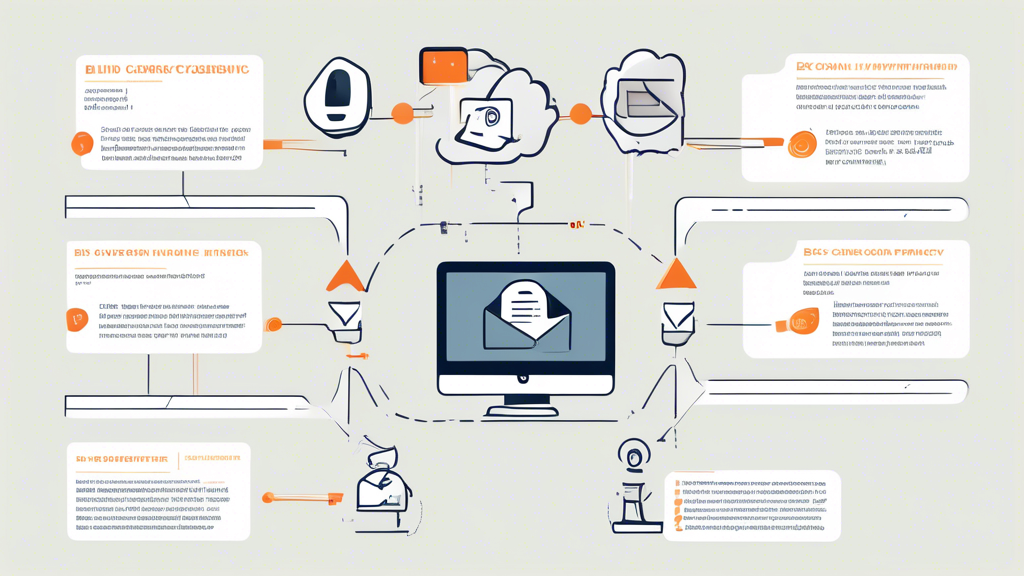
The Effects of BCC on Email Tracking
Ah, the enigmatic Blind Carbon Copy! This elusive creature, commonly known as BCC, thrives in the shadows, safeguarding the anonymity of email recipients. But what sorcery does this involve, and how does it wrangle with email tracking methods? Let’s pull back the curtain with a flourish and delve into the fascinating world of BCC’s impact on email tracking.
How BCC Impacts the Visibility of Email Recipients
First, let’s get to grips with BCC’s core trick: concealing the recipient list. When you use BCC, the main recipients receive the email without getting a sneak peek at the other covert correspondents. This veiled approach provides a cloak of invisibility to the email addresses in the BCC field, but it also presents certain quirks for email tracking.
In the shrouded world of BCC, the email tracking mechanisms struggle to identify and track all recipients — particularly the ones hidden away. To put it simply, no one but the sender knows who’s been BCC-ed, making it akin to a magician’s hidden compartment. This invisibility renders the tracking pixels somewhat ineffective when it comes to those cloaked receivers, creating a labyrinthine challenge.
The Challenges BCC Presents to Email Open and Click Tracking
Tracking emails typically involves the use of pixels and other tracking codes embedded within the email content. These help monitor actions such as opens and clicks. However, when an email recipient is hidden under the warm cloak of BCC, these brilliant approaches take a hit.
Why so, you ask? Well, tracking systems generate and manage pixels for the known recipients as per the To and CC fields. As it happens, BCC occupants are outside the radar of this meticulous magic because they’re cloaked in secrecy even from the tracking system. As a result, any delightful insights into open rates, click-through rates, or engagement metrics become a tad blurry — akin to trying to make shadow puppets on a foggy night.
Furthermore, some automated tracking systems might erringly attribute the BCC-induced obscurity as a no-show. Imagine preparing a grand feast and assuming fewer attendees only because some sent their spectral forms! Consequently, your email campaign’s analytics might showcase skewed data, leaving a reveler feeling shortchanged on insights.
Common Misconceptions About Email Analytics with BCC
Do not be ensnared by the mirage of misconceptions surrounding BCC and email tracking! Many an email bard sings woes that are not entirely accurate. Let’s debunk a few such misleading melodies.
Misconception #1: “BCC means total tracking invisibility!”
Not so fast! While BCC does obscure recipient identities, savvy tracking mechanisms can occasionally sneak through the shadows, especially if they rely on data beyond mere visibility in recipient fields. Tracking can still capture click actions if the links within the email are uniquely tagged.
Misconception #2: “Email analytics with BCC is always unreliable.”
Untrue, dear reader. While it does complicate matters, unruly analytics are not a certainty. With careful configuration of your tools and understanding the quirks of BCC, you can still navigate the treacherous seas toward usable data.
Misconception #3: “There’s no way to optimize analytics with BCC.”
This, my friend, is a fictional tale. Several email service providers and analytics tools offer advanced features to mitigate the dark art of BCC tracking. With some best practices and a little enchantment, even analytics involving BCC can be transformed into insightful data.
In understanding these mysterious impacts of BCC on email tracking, one must be prepared to navigate shadowy alleys filled with both challenges and misunderstandings. Yet, for every challenge, there lies a shadowy path to a resolution, awaiting the adventurous spirit willing to tread. The dance of BCC within the grand symphony of email tracking continues to captivate and confound, and with each note, we inch closer to mastering its concealed cadence.

Best Practices for Using BCC Without Compromising Email Analytics
Combining BCC with Other Tracking Methods
So, you’ve decided to use BCC like a mysterious senescent wizard hiding behind a veil (isn’t it fun to imagine emails in a magical realm?). But how do you maintain the clarity of your analytics through all this trickery? The solution lies in combining BCC with other potent tracking methods.
First off, tracking pixels, often referred to as spymaster’s eyes in the mystical kingdom of digital marketing, can be your secret weapon. By embedding these inconspicuous pixels within your email, you can track email opens regardless of the BCC feature. While BCC masks recipient identities from each other, it can’t hide from these tiny spies that report back to you whenever an email is opened.
Furthermore, URL parameters added to your email links can act like enchanted breadcrumbs. They help you trace back which recipient clicked on the links, regardless of BCC. Tools like Google Analytics URL Builder are akin to enchanted cauldrons where you can mix and brew these tracking potions effortlessly.
Ensuring Accurate Data Collection with BCC-ed Emails
One of the Herculean labors of email marketing in the age of BCC is ensuring accurate data collection. But fret not, young digital marketer, for accuracy can still prevail! The first step is using dedicated email marketing platforms like Mailchimp or HubSpot. These platforms are equipped with the magic scrolls (algorithms) needed to capture data meticulously, even when BCC is at play.
Moreover, structuring your email campaigns with distinct and identifiable subject lines, and content is akin to setting organized rituals in a mystical library. This structure allows you to cross-reference the email data with your tracking software, ensuring the numbers align like constellations in a clear night sky.
To ensure completeness, consider labeling BCC-ed emails with unique UTM parameters. This technique helps track and categorize the traffic coming from these specific campaigns, making the old archive (your analytics dashboard) as clear and decipherable as an enchanted map.
Tools and Tips for Optimizing Email Tracking and Analytics with BCC
Navigating the realm of email tracking with the BCC cloak can be daunting, but some enchanted tools and tips can make this journey as smooth as flying on a broomstick.
One essential tool in your magical toolkit is a comprehensive CRM (Customer Relationship Management) system like Salesforce or Zoho CRM. These platforms are equipped with mystical abilities to track interactions, including emails, at an individual level even when BCC is used. By integrating your email system with a CRM, you create a synergy that allows precise tracking of email engagement across the board.
For those who work in teams, it’s vital to ensure everyone adheres to specific guidelines to prevent data inconsistency. Creating a standardized approach, like using specific email templates and pre-defined subject lines, is as important as chanting incantations with the right pronunciation. Consistency helps in quickly identifying discrepancies in your analytics.
Lastly, keep an eye on your analytics health with regular audits (yes, just like a wizard checking the alignments of the planets). Regularly reviewing your data helps you spot trends, anomalies, and potential areas of improvement. This proactive approach ensures that even if BCC adds a layer of complexity to tracking, you remain the astute sorcerer unfazed by the shadows.
Here’s one last arcane tip: Always experiment and iterate. As with all magical practices, refining your approach with each campaign helps you stay ahead of the curve. By continuously experimenting and adjusting, you ensure your analytics remain as sharp as Excalibur, cutting through the dense fog of data complexity brought by BCC.
In the end, combining solid tracking methods, meticulous data collection, and using specialized tools will transform the challenge of using BCC into a well-managed process. Your email analytics will stay comprehensive and precise, allowing you to craft ever more clever and enchanting email campaigns.
The usage of BCC (Blind Carbon Copy) in email communication introduces both subtle challenges and unique opportunities when it comes to email tracking and analytics. To understand this fully, one must first become acquainted with the basics of BCC, which stands as both a protective measure and a strategic tool for managing email visibility. BCC allows the sender to hide the recipient’s email addresses from one another, unlike CC (Carbon Copy) where all recipients can see each other’s addresses.
The primary issue with BCC and email tracking is the obscured visibility of who received the email. This lack of transparency presents complications for traditional email tracking systems which rely heavily on a clear line of sight to analyze recipient behavior, such as open rates and click-through rates. When multiple recipients are hidden, the analytical data becomes less straightforward and can sometimes be misleading if not managed properly.
Common misconceptions about email analytics with BCC include the belief that accurate tracking is impossible and that the confidentiality BCC offers comes at too high of an analytical cost. However, with careful planning and strategic use of tools, these hurdles can be overcome.
Best practices for using BCC without compromising email analytics involve combining BCC with other tracking methods, such as using unique tracking URLs and leveraging advanced email analytics tools that provide more granular data. Ensuring the accuracy of data collection in BCC-ed emails also requires diligently setting up and monitoring bespoke tracking patterns to gather insights while maintaining the confidentiality of the recipients.
In conclusion, while BCC does add layers of complexity to email tracking and analytics, it does not render them ineffective. By deploying a meticulous and technology-enhanced approach, one can achieve a balance between the discretion BCC offers and the need for precise email performance metrics. These practices ensure that your email marketing efforts retain their sharpness without sacrificing the privacy appreciated by your recipients.


