

In a bustling digital age where consumers are constantly bombarded with a deluge of marketing messages, savvy brands understand that cutting through the noise requires a multi-pronged approach. Enter multichannel marketing—a strategy designed to engage customers across a variety of platforms, seamlessly integrating diverse channels such as email, social media, and, yes, the classic yet powerful SMS. The role of SMS in multichannel marketing strategies may surprise you; far from being outdated or simplistic, SMS offers immediate, direct, and personalized communication like no other.
Multichannel marketing hinges on the idea that your audience isn’t limited to just one medium. People are scrolling through Facebook while checking their emails, receiving SMS notifications while watching videos, and engaging with apps while browsing websites. The importance of a multichannel marketing strategy lies in its ability to meet your audience wherever they are, enhancing the chances of engagement and conversion. Channels typically involved range from the familiar—the versatility of email; the social buzz of Facebook and Instagram; the search engine prowess of Google—to the ubiquitous yet often underestimated SMS.
Let us delightedly reveal that SMS marketing doesn’t just belong to the relics of flip phones. This channel has proven to be surprisingly effective in the digital marketing symphony. SMS boasts jaw-dropping open and response rates that would make any email or social media marketer green with envy. The immediacy of SMS means your message gets read almost instantaneously, making it a potent tool for timely offers, urgent updates, and personalized communication. Add to this the sheer simplicity and cost-effectiveness of running SMS campaigns, and you have a channel that’s not just surviving but thriving in the modern marketing mix.
But how exactly does one wield this SMS power effectively within a multichannel strategy? It’s all about synergy. Synchronizing your SMS campaigns with emails, social media posts, and even in-app notifications ensures a cohesive and consistent message across multiple touchpoints. Crafting compelling SMS content is also crucial—think punchy, clear, and value-packed messages that respect the brevity the medium demands. Of course, none of this matters if your strategies are not compliant with regulations. Trust is currency in marketing, and ensuring your SMS efforts respect privacy laws and customer preferences is non-negotiable.
In essence, the role of SMS in multichannel marketing strategies is far from minor. It’s a pivotal player that can amplify your reach, enhance customer engagement, and add a layer of immediacy and personalization to your campaigns. When integrated thoughtfully, SMS harmonizes beautifully with other channels, creating a cohesive symphony of customer interaction and brand loyalty.
Introduction to Multichannel Marketing
In today’s ever-connected world, consumers are interacting with brands through multiple touchpoints, from social media channels to email and beyond – making multichannel marketing not just a trend, but a necessity. But what exactly does multichannel marketing mean? Ah, dear reader, let’s unravel this sophisticated web of consumer connection.
At its core, multichannel marketing refers to the practice of using multiple channels to reach and engage with customers. It’s about being present where your audience is, communicating a consistent message across various platforms, and optimizing each channel to its fullest potential. It’s like throwing a grand party, where you ensure that there is something delightful for everyone, no matter where they are standing – or even dancing.
Now, you might wonder, “Why is multichannel marketing so important?” Well, imagine trying to capture a photo with just one angle; you miss out on the complete picture. Similarly, relying on a single marketing channel limits your reach and effectiveness. Multichannel marketing not only broadens your audience but caters to their diverse preferences, creating a unified and enriched customer experience. Different strokes for different folks, as they say.
So, what are the various channels that brands commonly use in multichannel marketing strategies? Let’s take a delightful sprint through some key players:
- Email Marketing: The trusty courier delivering personalized messages straight to your inbox – reliable and effective.
- Social Media: The glitzy ballroom where conversations and engagements happen in real-time. Perfect for brand storytelling and foster engagement.
- Content Marketing: The gourmet spread of well-crafted articles, blogs, and videos providing value, establishing authority, and building trust.
- PPC (Pay-Per-Click) Advertising: The swift arrow targeting potential customers via search engines and display networks.
- SEO (Search Engine Optimization): The diligent gardener ensuring your online presence organically blooms and thrives.
- Direct Mail: The nostalgic touch, a physical token weaving the digital and tangible realms.
Ah, the list goes on, and it’s as eclectic as a festival. But amidst this symphony of channels stands a humble yet mighty player – the Short Message Service, or as friends call it, SMS.
The Role of SMS in Multichannel Marketing Strategies
SMS, often regarded as the underdog in the extravagant world of digital marketing, is, in truth, a steadfast companion, offering unique advantages that make it indispensable in multichannel strategies.
Why SMS? Let’s paint a picture: You have an important message that needs to be communicated instantly and directly, bypassing the noise and clutter of more crowded channels. Enter SMS – the swift messenger with a nearly universal reach. It’s concise, it’s personal, and most importantly, it’s incredibly effective.
Integrating SMS into your multichannel marketing strategy isn’t just a cherry on top; it’s a robust pillar that enhances overall effectiveness. Here’s why:
- Immediate and Direct Communication: Unlike other channels that might take time to be noticed (hello, cluttered email inbox), SMS is like a VIP pass, immediately grabbing the recipient’s attention with a delightful *ding*.
- High Open and Response Rates: Studies show that SMS boasts an impressively high open rate – above 90%! Contrast that with the average email open rate, and you’ll see why SMS is the go-to for time-sensitive communications.
- Cost-Effectiveness and Simplicity: SMS campaigns are astoundingly cost-effective. You don’t need elaborate graphics or extensive content. Just a well-crafted message can do wonders, making it a simple yet mighty tool.
- Enhancing Customer Engagement and Personalization: SMS allows for personalized, targeted messaging that feels intimate and engaging. It’s like whispering a secret directly to your customer’s ear – personal and impactful.
In short, SMS is the golden thread that weaves through your multichannel marketing tapestry, ensuring your message is delivered, seen, and acted upon. It’s time to shed the underdog image and recognize its true potential. Ready to dive deeper into the wonders of SMS in your multichannel strategy? Stay tuned, dear reader, as we unfold more in the chapters to come!

Benefits of Incorporating SMS in Multichannel Marketing Strategies
Immediate and Direct Communication with Customers
In the realm of digital communication, speed is akin to a magician pulling a rabbit out of a hat – it leaves the audience amazed. That’s exactly what SMS brings to the table in multichannel marketing strategies. Unlike other channels where messages might get lost in the virtual ether or buried under heaps of promotional emails, SMS delivers your marketing message right into the customer’s pocket – almost instantaneously. This immediacy ensures that your message is not only received but also seen with the urgency it deserves.
High Open and Response Rates of SMS Compared to Other Channels
Here’s where SMS takes a bow – boasting a magical open rate of around 98%, much higher than its email counterpart. The role of SMS in multichannel marketing strategies shines brightly here, where it proves to be almost irresistible to its recipients. A message that is likely to be read within minutes of delivery radically enhances engagement. Customers are more inclined to act on a text message because it’s brief, to the point, and easy to digest. It’s like casting a spell that urges them to respond – be it with a click, a purchase, or a simple ‘YES.’
Cost-Effectiveness and Simplicity of SMS Campaigns
While marketing budgets can sometimes feel like they’re steered by a frugal wand, SMS campaigns emerge as a budget-friendly alternative without compromising on effectiveness. They require minimal resources compared to extensive email designs or time-consuming social media strategies. With SMS, you don’t need a graphic designer, a lengthy approval process, or complex analytics setups. It’s as simple as typing a message and hitting ‘send.’ This simplicity doesn’t just save time; it allows for quick pivots and campaign tweaks, ensuring agility in your marketing approach.
Enhancing Customer Engagement and Personalization with SMS
In the land of modern marketing, personalization reigns supreme – and what better courtier than SMS? The role of SMS in multichannel marketing strategies extends to creating highly personalized customer experiences. Through data insights and customer preferences, brands can tailor messages that make recipients feel like they’re receiving a note from an old friend rather than a faceless corporation. Birthday wishes, exclusive offers, and event reminders all delivered via SMS create a warm, direct line of communication that fosters a loyal customer base. In doing so, SMS not only engages but also enlivens the customer’s brand journey, making it uniquely memorable.
Best Practices for Integrating SMS into Multichannel Marketing
There’s no denying that mobile devices have become an indispensable part of our lives. With that in mind, it’s crucial to incorporate SMS as part of your multichannel marketing strategy. Here, we’ll dive into best practices for integrating SMS seamlessly into your marketing mix, ensuring you maximize the role of SMS in multichannel marketing strategies.
Strategies for Syncing SMS with Other Marketing Channels
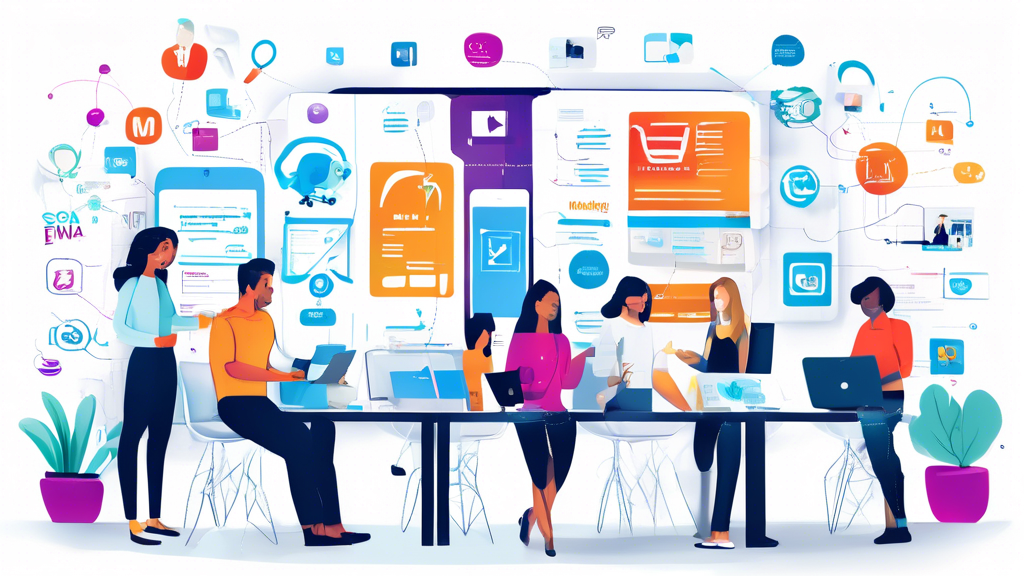
Your audience doesn’t live in a silo, and neither should your marketing messages. Synchronizing SMS with other marketing channels such as email and social media ensures a consistent and unified customer experience. Here are some essential strategies to achieve harmonious integration:
- Segmentation and Targeting: Use customer data to segment your audience based on their preferences and behaviors. If a customer browses a particular product on your website, follow up with an SMS offer related to that product.
- Consistent Messaging: Your brand voice should be consistent across all platforms. Ensure that the tone and language of your SMS messages align with your emails and social media posts.
- Timing and Frequency: Coordinate the timing of your SMS with your other campaigns. Avoid overwhelming your customers by spacing out your messages and ensuring that each message complements the others.
- Cross-Promotions: Use SMS to direct customers to other channels. For instance, after sending an SMS, encourage recipients to visit your social media for an exclusive live event or check their email for more details about a limited-time offer.
Tips for Crafting Compelling SMS Messages
SMS messages are concise by nature, but that doesn’t mean they should lack punch or appeal. Crafting compelling SMS messages is an art, and here are some tips to make your messages resonate:
- Be Clear and Concise: You have limited characters, so make every word count. Get straight to the point and convey your message clearly without fluff.
- Include a Clear CTA (Call to Action): Always tell the recipient what to do next. Whether it’s clicking a link, using a discount code, or replying to the message, make sure your CTA is evident.
- Personalization: Use the recipient’s name and tailor the message to their interests or past behaviors. Personalization increases engagement and makes the customer feel valued.
- Urgency and Exclusivity: SMS is a great channel for time-sensitive offers. Create a sense of urgency with phrases like limited time offer or exclusive deal to prompt immediate action.
Compliance with Regulations and Maintaining Customer Trust
With great power comes great responsibility. While SMS is an effective marketing tool, it must be used ethically and legally to maintain customer trust. Here’s how to stay compliant and build trust:
- Obtain Explicit Consent: Ensure you have clear and documented consent before sending marketing SMS. Users should opt-in willingly, knowing they’ll receive messages from you.
- Transparent Opt-Out Mechanism: Provide a simple and straightforward way for recipients to unsubscribe. Frequently include phrases like “Reply STOP to unsubscribe” to comply with regulations and respect customer choices.
- Frequency and Relevance: Do not bombard your customers with too many messages. Keep the frequency moderate and ensure each message provides value.
- Data Privacy: Safeguard customer data and comply with data protection regulations, such as GDPR or CCPA. Demonstrate transparency in how customer data is used and stored.
Case Studies of Successful SMS Integration in Multichannel Marketing Strategies
Examples often speak louder than theory, so let’s explore some real-life cases where businesses successfully integrated SMS into their multichannel marketing strategies:
- Fashion Retailer: A fashion retailer combined SMS with their email campaigns to boost sales during holiday seasons. They sent out beautifully crafted emails showcasing new collections and followed up with personalized SMS reminders about exclusive member discounts, resulting in a 30% increase in holiday sales.
- Food Delivery Service: A food delivery service used geolocation data to target specific neighborhoods with SMS alerts about promotions and discounts. They complemented these messages with push notifications via their app and social media ads, increasing order volume by 40% in targeted areas.
- Event Organizer: An event organizing company utilized SMS for real-time updates and reminders. After customers purchased tickets (usually via email), they received SMS notifications about event schedules, last-minute changes, and exclusive offers for future events, significantly improving attendance and customer satisfaction.
Incorporating these best practices will help you harness the true power of SMS, ensuring that it plays a vital and effective role in your multichannel marketing strategies. Remember, SMS is not just another channel – when integrated thoughtfully, it can elevate your overall marketing efforts to new heights.
In wrapping up our exploration of the pivotal place of SMS in multichannel marketing strategies, it’s evident that this seemingly modest tool punches well above its weight. We began with an understanding of multichannel marketing’s core principles: engaging customers through diverse platforms to create a seamless brand experience. Various channels like email, social media, and content marketing play crucial roles, blending their unique strengths to reach the customer at different touchpoints.
Among these channels, SMS stands tall, offering immediate and direct communication with customers. The concise nature of text messages ensures that the information is succinct, while the often astounding open and response rates highlight SMS as a powerful means to capture attention quickly. Add to that the cost-effectiveness of SMS campaigns, where even the most budget-conscious marketer can achieve impressive results without breaking the bank.
We delved into the benefits that SMS brings to the multichannel table, noting its unparalleled immediacy and ability to cut through the noise. It’s a unifying force that marries urgency with personalization, delivering messages that feel both important and individually tailored. SMS campaigns don’t require the grandiosity of other channels; their simplicity is catchy and effective.
In the realm of best practices, seamless integration of SMS with other marketing avenues is paramount. Strategies like synchronizing SMS with email campaigns or using social media to build anticipation for SMS offers can create a cohesive narrative. Crafting compelling SMS messages involves an artful blend of brevity, clarity, and allure, ensuring that every character counts. Equally important is maintaining compliance with regulations, as respect for customer privacy fosters trust and loyalty in the long term.
Finally, the successful case studies we reviewed underscored the transformative potential of SMS in multichannel marketing strategies. Brands that harnessed the immediacy of text messaging, while retaining a coherent voice across all channels, saw heightened engagement and loyalty.
In conclusion, the role of SMS in multichannel marketing is both fundamental and dynamic. It serves as a versatile bridge that connects different marketing efforts, amplifying their effectiveness. As marketers, embracing SMS means embracing a tool that not only reaches the modern consumer swiftly and directly but does so in a way that is both personalized and impactful. If the aim is to create an interconnected, responsive, and engaging marketing ecosystem, then SMS is your sturdy thread weaving it all together.


