
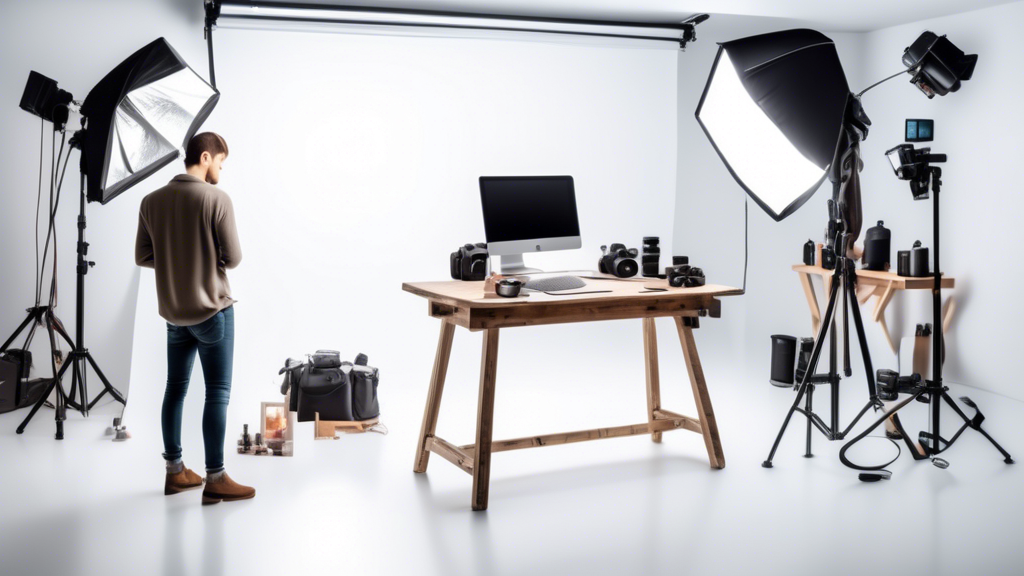
In the bustling world of e-commerce, where every pixel can influence purchasing decisions, high-quality product photography is paramount. Imagine strolling through an online marketplace teeming with vibrant, clear, and detailed product images that make you want to reach out and touch the goods; that’s the magic of exceptional e-commerce photography. It’s not just about aesthetics; it’s a critical component driving conversion rates and fostering customer trust.
When customers shop online, they don’t have the luxury of physically interacting with the products. This lack of tangibility means that visuals become the primary means of connection. High-quality images act as a silent salesperson, conveying the product’s features, quality, and allure. It’s no wonder that beautifully captured photos can significantly boost conversion rates by providing clarity and reducing ambiguity. Trust, a cornerstone of any purchase decision, starts with those crystal-clear images that assure customers of what they’re getting, reducing the risk of disappointment upon delivery.
So, how do you master the craft of capturing compelling product images for e-commerce? It begins with understanding the essential equipment. Cameras with high resolution, proper lighting setups, and uncluttered backgrounds are the trifecta of professional product photography. With the right gear in hand, setting up your shoot becomes an orchestrated dance of angles, lighting adjustments, and attention to detail. A meticulous step-by-step process ensures each shot highlights the product’s best features.
But the shoot is just the beginning. Post-processing, the digital darkroom of the modern photographer, holds the key to enhancing image quality. Techniques like color correction, background removal, and consistency adjustments elevate an image from good to captivating, ensuring that all your product photos align cohesively and meet the high standards of your brand.
By delving into the nuances of e-commerce photography, you unlock the potential to not just showcase products but narrate their story through images. This blend of technology and artistry, when executed with precision, turns casual browsers into confident buyers, driving success in the competitive e-commerce arena.
Understanding the Importance of E-commerce Photography
The Role of High-Quality Images in Online Shopping Decisions
High-quality images are the unsung heroes of e-commerce success. Imagine walking into a brick-and-mortar store, but the lighting is terrible, and the products are poorly displayed. Would you stick around? Probably not. The same principle applies to online shopping. Unlike physical stores, customers can’t touch or try products when shopping online, making visuals their primary tool to make informed decisions.
When a potential customer visits an online shop, the first thing they notice is the product image. This image needs to be engaging, clear, and detailed. People are visual creatures; an appealing image can make or break the buying decision. If your product looks good, it’s more likely to attract clicks and, more importantly, conversions.
Consider this: would you rather buy a pair of shoes showcased in a dimly lit, blurry photograph or from a high-definition image where you can see every detail of the stitching and texture?
How Product Photography Affects Conversion Rates and Customer Trust
High-quality product images do more than just attract attention; they also drive conversion rates. Conversion rate is a term that marketers use to measure the percentage of website visitors who make a purchase. Better images often result in higher conversion rates because they help customers feel confident about their purchase decisions. Think of a time when you hesitated to buy something online because the pictures were fuzzy or incomplete. That’s how potential customers feel too. Good images mitigate this concern by showing the product from multiple angles and highlighting its best features.
But there’s more to it. Excellent product photography builds customer trust. How? By making your online store look professional and reliable. When customers see well-shot, high-quality images, they’re more likely to believe that your store is legitimate and your products, genuine.
Customer trust is crucial in online shopping. Without the ability to touch or try products, customers rely on visual cues to determine quality and authenticity. For example, suppose your e-commerce store sells handmade jewelry. Detailed images showing the craftsmanship and quality of materials can significantly enhance trust, making customers more comfortable making a purchase.
Moreover, good photography can reduce the rate of product returns. When images accurately represent the product, customers know exactly what they’re getting. This transparency minimizes the likelihood of disappointed buyers returning products that didn’t meet their expectations.
Let’s break it down a bit further:
1. **Attention-Grabbing:** High-quality images grab and hold attention, increasing the time a potential customer spends on your website.
2. **Interaction Boost:** More engaging images entice users to click, explore and ultimately, make a purchase.
3. **Reduced Returns:** Clear, detailed images show exactly what the customer can expect, reducing the chance of returns due to unmet expectations.
4. **Professionalism:** High-quality images instill a sense of professionalism and reliability in your online store.
5. **Consistency:** Consistent, high-quality images across all product listings give a cohesive look to your online store, further enhancing trust.
When these factors come into play, you’re not just showcasing a product; you’re enhancing the customer experience, fostering trust, and increasing sales.
In summary, investing in high-quality e-commerce photography is not optional; it’s essential. It plays a crucial role in attracting customers, driving conversions, and building trust. By understanding the importance of good visuals, you can significantly impact the success of your online store. So, whether you’re an amateur photographer or considering hiring a professional, remember that the quality of your product images is a cornerstone of your e-commerce strategy.

Techniques and Best Practices for Capturing Product Images
Essential Equipment for E-commerce Photography: Cameras, Lighting, and Backgrounds
When it comes to capturing stellar images for your e-commerce site, having the right equipment is non-negotiable. Think of it like cooking a gourmet meal; you need quality ingredients to create something exceptional. Here’s what you’ll need:
Cameras: While smartphone cameras have come a long way, a DSLR or mirrorless camera will give you better control over your images. Look for cameras with a high resolution (at least 20 megapixels) and interchangeable lenses. Nikon D3500 or Canon EOS Rebel T7 are excellent choices for beginners.
Lighting: Proper lighting is crucial. Invest in continuous lighting kits or softboxes to ensure your products are well-lit. Natural light can also work wonders, but it’s less reliable. Avoid harsh shadows by using diffused light. For example, you can place a white sheet over a window to soften the light.
Backgrounds: Clean, uncluttered backgrounds make your products the star of the show. Use white or light-colored backdrops for a professional look. Fabric, paper, or vinyl backdrops are readily available and easy to set up. A lightbox can also be a great investment as it provides a seamless background and diffused lighting all in one.
Step-by-Step Guide to Setting Up a Professional Product Photography Shoot
Let’s break down setting up your shoot into simple, actionable steps:
Step 1: Plan Your Shoot
Before you even pick up your camera, plan what you’re going to shoot and how. Make a list of products and decide on the angles and shots you need. Are you capturing the front, back, and sides? Or are you also focusing on detailed shots to highlight features?
Step 2: Set Up Your Background
Position your backdrop in a well-lit area or set up your lightbox. Ensure it’s wrinkle-free and clean. A seamless background helps eliminate distractions and makes post-processing easier.
Step 3: Arrange Your Lighting
If you’re using artificial lighting, set up your lights at 45-degree angles from the product to avoid harsh shadows. Use softboxes or diffusers to soften the light. For natural light, position your setup near a window and use a reflector to bounce light and fill in shadows.
Step 4: Position Your Camera
Mount your camera on a tripod to keep your shots stable and consistent. Adjust the height and distance based on the product size. Use a lens with a focal length of 50mm to 100mm for the most flattering perspective. Ensure your camera settings are optimized: set the ISO to 100 or 200 to minimize noise, and use an aperture of f/8 to f/11 for sharp focus.
Step 5: Style Your Product
Ensure the product is clean and free of fingerprints or dust. Use props sparingly to maintain focus on the product. For clothing, use a mannequin or model. For smaller items, consider using stands or risers to give your product height and dimension.
Step 6: Capture Multiple Angles
Shoot from various angles: front, side, back, and close-ups of any unique features or textures. Consistency is key, so make sure similar products are shot from the same angles for a uniform look on your website.
Step 7: Review and Retake
Check your shots on a computer screen before dismantling your setup. Look for any blurriness, poor lighting, or other issues that need correcting. Retake any necessary shots to ensure you have the perfect image.
Post-Processing Tips to Enhance Image Quality and Consistency
Now that you have your raw photos, it’s time to refine them with post-processing. Think of this step as the final polish that takes your images from good to great.
Use Image Editing Software:
Adobe Photoshop and Lightroom are industry standards. For beginners, software like GIMP or Canva can also be effective. Use these tools to adjust brightness, contrast, and color balance. Here’s a pro tip: applying a light touch is better than over-editing.
Cropping and Resizing:
Ensure your images are uniformly cropped for a consistent look across your site. Maintain an aspect ratio that highlights the product without awkward cropping. Resize your images to the same dimensions, typically 1000px by 1000px, to ensure uniformity.
Background Removal:
If you didn’t shoot against a perfectly white background, use editing tools to isolate the product and replace or clean up the background. This ensures a clean, professional look.
Sharpening:
Apply sharpening to give your products a crisp, detailed look, but be careful not to overdo it. Too much sharpening can make images look unnatural.
Consistent Color Correction:
Make sure the colors in your images accurately represent the product. Use a color calibration tool like a gray card during your shoot, and adjust the white balance in post-processing. This will ensure your products look consistent, even under different lighting conditions.
Batch Editing:
Once you’ve set your preferred adjustments, batch editing can save you a ton of time. This ensures all images receive the same treatment for a cohesive appearance.
In following these best practices and techniques, your e-commerce photography can go from amateur to professional. High-quality, consistent images not only capture customer interest but foster trust and drive conversions. Happy shooting!
In conclusion, the art of e-commerce photography is far from just a click-and-go process. High-quality images are the unsung heroes of online shopping, playing a pivotal role in influencing purchasing decisions and building customer trust. When shoppers cannot physically touch or inspect products, visual appeal becomes paramount. Clear, professional images not only showcase a product’s details but also convey your brand’s credibility and commitment to quality.
To capture these crucial images, a few key elements must come together harmoniously. Essential equipment like a good camera, appropriate lighting, and suitable backgrounds lay the foundation for professional-grade photographs. These tools, when used effectively, help highlight the product’s features and draw attention to its selling points.
Setting up a shoot involves more than just pointing and shooting. From choosing the right angles to experimenting with different lighting setups, each step requires careful planning and execution. A consistent backdrop may not sound thrilling, but it eliminates distractions and lets the product stand out, making it visually digestible for the viewer. Furthermore, post-processing techniques, such as cropping, color correction, and retouching, refine the final images, ensuring they not only look good but also maintain consistency across your entire catalog.
Ultimately, mastering e-commerce photography comes down to understanding its critical role and investing the necessary time and resources to do it right. The payoff is a set of stunning images that not only captivate potential buyers but also foster an environment of trust and professionalism, leading to higher conversion rates and a more successful online store. Engaging, high-quality visuals are not just an added bonus; they are a fundamental component of e-commerce success.


