

In today’s fast-paced business world, exceptional customer service isn’t just a bonus; it’s a necessity. This is where CRM training comes in. CRM, or Customer Relationship Management, is more than just a buzzword. It’s a strategy that companies use to manage interactions with current and potential customers. Understanding the basics of CRM is crucial for anyone looking to thrive in sales, marketing, or customer service roles. Effective CRM training helps businesses streamline their processes, making interactions more efficient and productive. It benefits employees too, equipping them with the skills they need to foster better relationships with customers, improve service, and ultimately drive more sales.
Companies that invest in CRM training empower their teams to harness the full potential of their CRM software, turning raw data into valuable insights. These insights can transform how a business understands its customers, leading to stronger relationships and increased satisfaction. Advanced CRM training goes beyond the basics, offering strategies to choose the right software tailored to a company’s specific needs. Hands-on training sessions and workshops provide practical experience, while continuous learning through online resources and advanced courses ensures that employees stay ahead of industry trends.
By focusing on these critical aspects, businesses not only improve their internal processes but also see a significant boost in productivity and sales. Therefore, investing in comprehensive CRM training isn’t just an option; it’s a strategic move that can propel a business towards sustained success.
The Importance of CRM Training
Understanding the Basics: What is CRM?
Customer Relationship Management, or CRM, is a system that helps businesses manage their interactions and relationships with current and potential customers. Think of CRM as a sophisticated digital address book, but it does much more than just store contact information. It files, sorts, organizes, and provides valuable insights into customer behavior, preferences, and interactions. Understanding the basics of CRM is essential because it forms the foundation upon which effective customer engagement strategies are built.
CRM tools are designed to compile information from a range of different communication channels, including a company’s website, telephone, email, live chat, marketing materials, and social media. They help businesses learn more about their target audiences and how to best cater to their needs, ultimately leading to customer retention and sales growth. Without a firm grasp of what CRM is and how it works, businesses might miss out on significant opportunities to enhance customer interactions.
Benefits of CRM Training for Businesses and Employees
So, why is CRM training crucial for businesses and employees alike? Let’s break it down:
For Businesses
1. Streamlined Processes: Proper CRM training enables businesses to streamline their customer management processes. Employees will know exactly how to use the CRM tools efficiently, making operations smoother and less time-consuming.
2. Data-Driven Decisions: A well-executed CRM strategy provides valuable data and insights. With proper training, teams can interpret this data to make informed business decisions, tailor marketing efforts, and improve customer service strategies.
3. Customer Retention: Retaining customers is often more cost-effective than acquiring new ones. CRM helps businesses understand their customers better, ensuring that they are satisfied and more likely to remain loyal.
4. Increase in Sales: Efficient CRM use can directly influence the sales cycle. By understanding customer needs and behavior patterns, businesses can approach them with the right products at the right time, boosting sales.
For Employees
1. Enhanced Skill Set: Knowing how to use CRM tools effectively enlarges an employee’s skill set, making them more valuable to the company and more marketable for future employment opportunities.
2. Efficient Workflows: Employees trained in CRM don’t waste time figuring out who needs what from the business. Well-trained staff can quickly access customer histories and preferences, leading to faster and more personalized service.
3. Empowered Decision-Making: When employees understand the CRM system, they feel more capable of making decisions that positively impact customer relationships. This empowerment can lead to higher job satisfaction and productivity.
4. Career Growth: Mastery of CRM systems isn’t just beneficial for the organization but also for employees’ career paths. It opens doors to positions of greater responsibility within customer service, sales, and even IT departments.
Enhancing Customer Relationships and Boosting Sales
The ultimate goal of any CRM training is to enhance customer relationships and boost sales. Here’s how:
1. Personalized Customer Interactions: Customers appreciate when a business knows who they are and treats them as individuals. With proper CRM training, employees can personalize interactions based on a customer’s purchase history, preferences, and any previous interactions with the company. This makes customers feel valued and more likely to stay loyal.
2. Proactive Customer Service: Instead of waiting for customers to reach out with problems, a trained workforce can use CRM data to predict issues before they arise and address them proactively. This level of service can turn potential complaints into positive experiences.
3. Identify and Target High-Value Customers: CRM training helps businesses identify which customers are driving the most value. By understanding who the high-value customers are, businesses can tailor their marketing efforts to retain and nurture these important relationships.
4. Sales Forecasting: Trained staff can leverage CRM systems to forecast future sales based on historical data and current trends. This helps in making more accurate sales predictions and ensures that resources are allocated effectively.
5. Customer Feedback and Improvement: CRM systems often include tools for gathering and analyzing customer feedback. Trained employees can utilize this feedback to improve products, services, and overall customer satisfaction, creating a cycle of continuous improvement.
6. Increased Cross-Selling and Up-Selling Opportunities: With insights gained from CRM data, businesses can identify opportunities for cross-selling (selling related products to existing customers) and up-selling (offering more expensive products or upgrades). This strategy not only meets customer needs more closely but also drives increased revenue.
In conclusion, investing in CRM training is not merely an operational decision but a strategic one. It’s an investment in both people and processes that drives the entire business forward, fostering deeper customer relationships and generating greater revenue.
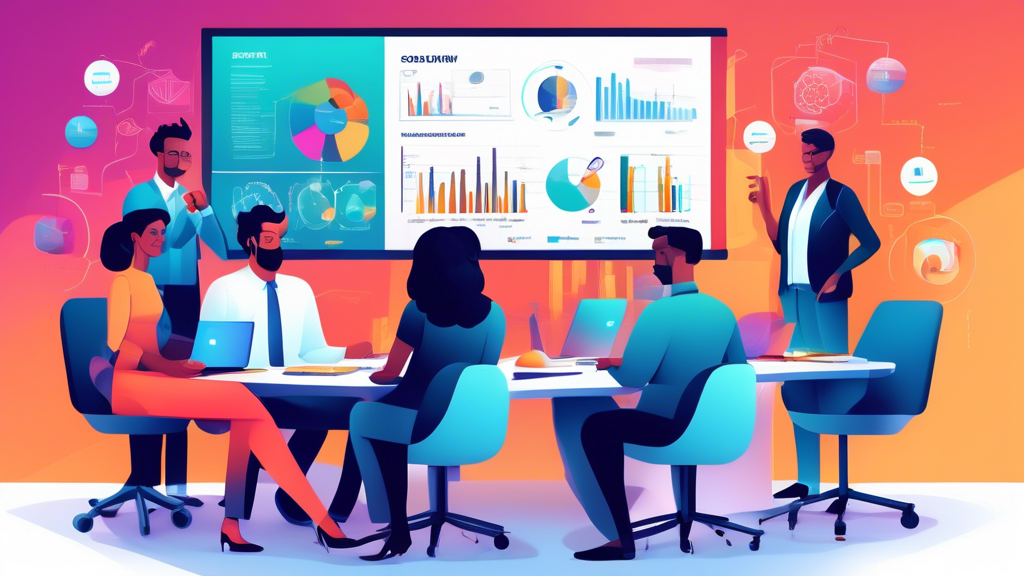
Effective Strategies for CRM Training
Choosing the Right CRM Software
Choosing the right Customer Relationship Management (CRM) software is a pivotal first step in CRM training. The right software can mean the difference between a successful program and one that falls flat. When selecting a CRM, it’s important to consider your business’s specific needs. Do you require advanced analytics? Is user-friendliness a priority for your team? Consider factors such as integration capabilities, scalability, and customization options. Evaluating several CRM options through demos and trial periods can offer hands-on experience, helping you make a more informed choice. Remember, a CRM that is well-suited to your operations will make the training process smoother and more effective.
Hands-On Training Sessions and Workshops
Once you have selected the right CRM software, the next step is to implement hands-on training sessions and workshops. These sessions are designed to familiarize your team with the software’s interface and functionalities, providing them with the skills they need to use it effectively. Here are a few tactics to ensure successful hands-on training:
- Interactive Demos: Live demonstrations of CRM features allow users to see the software in action. Interactive demos should showcase key functionalities such as data entry, report generation, and customer interaction tracking.
- Role-Based Training: Tailor training sessions based on job roles. Sales teams, customer service representatives, and marketing personnel will use the CRM differently. Providing role-specific training ensures that all employees know how to use the system proficiently relevant to their tasks.
- Practice Scenarios: Create real-life scenarios that employees might encounter, and let them practice using the CRM to navigate these situations. This method reinforces their learning and builds confidence.
- Feedback and Adjustment: Collect feedback from participants during and after training sessions. Use this input to fine-tune future workshops, making them more effective and relevant.
Continuous Learning: Utilizing Online Resources and Advanced Courses
CRM training doesn’t stop with the initial hands-on sessions. Continuous learning is crucial to staying up-to-date with new features, industry best practices, and advanced CRM techniques. Here’s how to maintain a culture of continuous learning:
- Online Tutorials and Webinars: A wealth of online resources is available to help employees continue their CRM education. Many CRM providers offer tutorials, webinars, and how-to videos that can be accessed anytime. Encourage your team to take advantage of these resources to deepen their understanding of the software.
- Advanced Courses: Enrolling in advanced CRM courses can provide employees with in-depth knowledge and skills. These courses often cover advanced functionalities, integration techniques, and data analysis capabilities that are not explored in basic training sessions.
- Industry Conferences and Workshops: Attending industry events can expose your team to the latest trends and innovations in CRM technology. These events also provide opportunities for networking with other CRM professionals and learning from their experiences.
- Internal Knowledge Sharing: Foster an environment where team members can share their CRM knowledge and tips with each other. Regularly scheduled meetings or a dedicated internal forum can facilitate knowledge exchange and problem-solving discussions.
- Updated Training Materials: As CRM software updates are released, it’s essential to keep training materials current. Regularly updating manuals, guides, and training documents ensures that employees always have the latest information at their disposal.
Incorporating these strategies into your CRM training program not only helps to create a more skilled workforce but also ensures that your business can fully leverage the power of CRM technology to enhance customer relationships and drive sales.
In conclusion, CRM training represents a pivotal stepping stone for both businesses and employees aiming to thrive in today’s fast-paced market. By understanding the basics of Customer Relationship Management (CRM), employees can better navigate the tools and strategies essential for fostering stronger customer connections. CRM training empowers businesses to streamline their operations, ensure consistent customer engagement, and derive actionable insights from customer data, thereby enhancing customer satisfaction and driving sales growth.
Moreover, effective CRM training necessitates a thoughtful approach, beginning with the selection of the right CRM software tailored to the specific needs of the business. This foundation, combined with hands-on training sessions and immersive workshops, equips employees with the practical skills required to leverage CRM capabilities fully. Emphasizing continuous learning, businesses should encourage their teams to engage with online resources and advanced courses, staying abreast of the latest CRM trends and practices.
Through dedicated CRM training, businesses can not only improve their internal processes but can also cultivate a culture of lifelong learning and adaptability among their staff. This ongoing commitment to skill-building and professional development is instrumental in maintaining a competitive edge and achieving long-term success. Ultimately, CRM training is not just an isolated initiative; it is a continuous journey of empowerment and innovation that propels businesses toward enhanced customer relationships and sustainable growth.


