

In today’s digital age, where virtually every move can be tracked and scrutinized online, maintaining a user-friendly online reputation is critical for both individuals and businesses. But what exactly is online reputation usability? It refers to the ease with which consumers and stakeholders can access, understand, and interact with the information presented about you or your business on the internet. A well-managed online presence not only bolsters trust but can also significantly influence public perception and customer decisions. Key factors that influence online reputation usability include the clarity of information, the layout and design of your online platforms, and how easily users can engage with your content and provide feedback.
Enhancing online reputation usability isn’t just a one-off task; it’s an ongoing process that benefits greatly from a user-centric approach. By implementing design principles that prioritize the user experience, such as intuitive navigation, clear calls to action, and accessible content, you can make your online presence more engaging and trustworthy. Moreover, employing effective monitoring and management tools helps you keep a pulse on how your online reputation evolves, allowing you to respond promptly to any negative feedback or misinformation. These strategies, combined with a commitment to transparency and reliability, ensure that your online reputation remains positive and user-friendly, ultimately driving greater success and credibility in the digital world.
Understanding Online Reputation Usability
Definition and Importance of Online Reputation Usability
Online reputation usability refers to how easy it is for users to access, understand, and interact with information about a brand or individual on the web. It’s not just about what people are saying online; it’s about how easily this information can be found and interpreted. Imagine trying to find a book in a library where there’s no catalog — it’s a nightmare! Similarly, if the information about a business or person is scattered, hard to find, or poorly presented, it negatively impacts usability.
The importance of online reputation usability cannot be overstated. In today’s digital age, almost everyone uses the internet to check reviews, read recommendations, or search for complaints before making decisions. Whether you’re choosing a restaurant, hiring a service, or considering a job offer, your decision is likely influenced by what you find online. For companies, positive and accessible reputation information can drive business, while negative or hard-to-find information can deter potential customers.
Key Factors Influencing Online Reputation Usability
1. Search Engine Visibility
The first factor influencing online reputation usability is how visible your reputation information is on search engines like Google. If users can’t easily find your business or personal information, or if negative content dominates the search results, it hampers usability. Optimizing your content for search engines through techniques like SEO (Search Engine Optimization) can significantly improve visibility.
2. Quality and Consistency of Information
Next is the quality and consistency of the information available. Users should encounter accurate, well-written, and consistent information across different platforms. Think of it as maintaining a clean storefront; if different sources tell different stories about your business, it can confuse potential customers and shake their confidence in you.
3. Ease of Access
Ease of access is another crucial factor. Your reputation data should be readily available and not buried deep within layers of web content. User-friendly websites, intuitive navigation, and clear calls-to-action can enhance how effortlessly users can find the information they need.
4. User Experience (UX)
User Experience (UX) plays a pivotal role. If the platforms where your reputation is being assessed (like your website, review sites, or social media) are hard to navigate or unpleasant to use, it detracts from overall usability. Good UX design includes elements like fast loading times, mobile compatibility, and straightforward interface design.
5. Transparency and Authenticity
Transparency and authenticity are key. Users trust reviews and ratings more if they seem genuine. Encourage genuine customer feedback and avoid fake reviews or overly polished testimonials. Transparency builds trust, while manipulation or deceit tarnish your reputation.
6. Responsiveness to Feedback
Being responsive to feedback is another vital factor. Whether the feedback is positive or negative, how quickly and effectively you respond can significantly influence your online reputation. Quick responses show that you value user input and are committed to improving your services or correcting mistakes.
7. Visual Content
Finally, visual content like photos, infographics, and videos can greatly influence online reputation usability. These elements are often more engaging and can convey information more effectively than text alone. High-quality visual content can make your online profile more attractive and memorable.
Understanding these key factors helps you not only grasp what online reputation usability means but also how to optimize it. Keeping these factors balanced and focused can lead you down the path of a stellar online reputation, accessible and appreciated by all who seek it.
Strategies to Enhance Online Reputation Usability
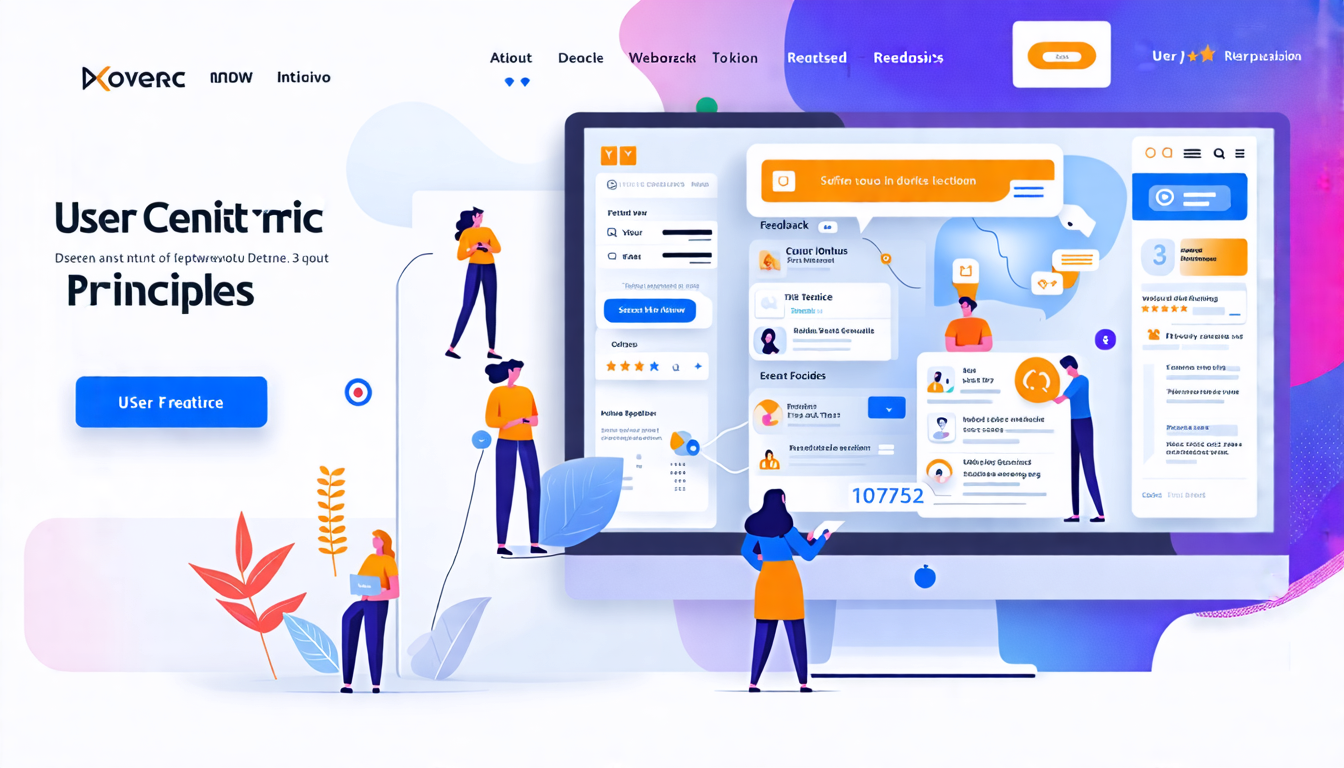
Implementing User-Centric Design Principles
To make online reputation systems more user-friendly, it’s essential to prioritize the needs and preferences of the user. This is where the concept of user-centric design comes into play. User-centric design is all about creating systems with the end-user’s experience in mind, making the interface intuitive, easy to navigate, and pleasurable to use.
Understand Your Audience
The first step in creating a user-centric design is to understand who your users are. Conduct surveys, interviews, and market research to get a clear picture of their needs, preferences, and behavior patterns. Are your users tech-savvy millennials, or are they older individuals who might not be as proficient with modern technology? Tailoring your design to the capabilities and expectations of your target audience is crucial.
Prioritize Simplicity and Clarity
When it comes to design, less is often more. A cluttered interface can overwhelm the user and make it tough for them to find the information they need. Make sure your design is clean with a simple, straightforward layout. Use clear headings, subheadings, and bullet points to break down complex information, making it easily digestible.
Use Visual Hierarchy
Visual hierarchy involves arranging elements in a way that naturally draws the user’s eye to the most important information first. Utilize size, color, and positioning to guide users’ attention. For instance, use larger fonts for headings and important messages, and contrasting colors to highlight essential buttons like Submit or Report.
Ensure Mobile-Friendliness
In today’s digital age, a large percentage of users access online platforms through their smartphones. Therefore, designing a mobile-responsive interface is non-negotiable. Ensure that your website or application is easily navigable on smaller screens with touch-friendly elements and quick load times. Testing your design on various mobile devices can help you spot and fix usability issues early on.
Focus on Accessibility
Every user should be able to access and interact with your online reputation system, regardless of any disabilities they may have. Incorporate accessibility features like alternative text for images, keyboard navigability, and text-to-speech functionalities. The Web Content Accessibility Guidelines (WCAG) are an excellent resource for ensuring your design meets accessibility standards.
Effective Monitoring and Management Tools for Online Reputation
To enhance the usability of your online reputation system, robust monitoring and management tools are indispensable. These tools help in tracking, analyzing, and responding to user reviews and feedback effectively, thereby maintaining and improving your online reputation.
Real-Time Monitoring Tools
One of the most crucial aspects of online reputation management is monitoring what is said about you in real-time. Tools like Google Alerts, Mention, and Brandwatch allow you to keep tabs on mentions of your brand or business across various online platforms. This way, you can quickly address any negative comments or misinformation before it escalates.
Automated Response Systems
Quick responses to user feedback can significantly enhance user satisfaction and boost your reputation. Automated response systems can help manage this efficiently. Tools like Hootsuite and Sprout Social allow you to set up automatic replies to common queries or complaints. This ensures that users feel heard and valued, even if a human response isn’t instantly available.
Sentiment Analysis
Understanding the sentiment behind user reviews and comments is essential for effective reputation management. Sentiment analysis tools, such as Lexalytics and MonkeyLearn, use natural language processing to assess whether user feedback is positive, negative, or neutral. This helps you gauge overall user sentiment and make data-driven improvements.
Review Aggregation Tools
Aggregating reviews from multiple platforms into a single dashboard can simplify reputation management. Tools like Yext and ReviewTrackers compile reviews from various websites, social media platforms, and forums, providing you a comprehensive overview of your online reputation. This centralized approach makes it easier to identify recurring issues and trends in user feedback.
Interactive Dashboard
An interactive dashboard can be a game-changer for monitoring and managing your online reputation. It provides a real-time view of your online presence, displaying key metrics and analytics. Look for dashboards that offer customizable widgets, filters, and data visualization tools to make information easier to comprehend and act upon.
Data Security and Privacy Measures
Finally, any tool you use should prioritize the security and privacy of user data. Make sure the tools comply with relevant regulations like GDPR or CCPA, and employ robust encryption methods to protect sensitive information. Users are more likely to trust a reputation system that values their privacy and security.
Incorporating these strategies to enhance online reputation usability not only improves user experience but also builds trust and credibility, ultimately leading to a stronger, more positive online presence.
In conclusion, navigating the landscape of online reputation usability is both an art and a science, requiring a carefully balanced approach to ensure that users not only find it accessible but also beneficial. At its core, online reputation usability revolves around how easily individuals and organizations can manage and understand their digital footprint. This concept is more crucial than ever in our interconnected world, where first impressions are often formed online and can significantly impact real-world opportunities and perceptions.
Key factors influencing online reputation usability include simplicity, transparency, and interactivity of the tools or platforms involved. A user-friendly approach means designing these systems with the end-user in mind, ensuring that even those with minimal technical knowledge can navigate and utilize them effectively. This, in turn, enhances trust and engagement, as users feel more empowered and confident in managing their online presence.
To make online reputation usability user-friendly, several strategic steps are essential. First, implementing user-centric design principles ensures that every interface is intuitive, and every feature is seamlessly accessible. This involves painstaking attention to aspects like layout, navigation, and overall user experience (UX) design. Secondly, the deployment of effective monitoring and management tools is vital. These tools should offer real-time insights, automate mundane processes, and provide actionable feedback to users, allowing them to make informed decisions about their online reputation swiftly and efficiently.
Combining these strategies not only enhances the technical usability of online reputation systems but also instills a sense of ownership and control among users. By prioritizing user needs and employing advanced monitoring tools, organizations can foster a more engaged, proactive, and digitally-savvy community. This holistic approach not only safeguards but also amplifies the value of one’s online presence, ensuring that everyone—from casual internet users to corporate giants—can confidently navigate the digital age.


