

Artificial Intelligence (AI) is no longer just a buzzword; it has become an essential part of modern business strategies. As companies strive to leverage the power of AI to enhance efficiency, gain insights, and stay competitive, AI migration—shifting your data into AI systems—has emerged as a critical step. Successfully moving your data to AI systems can seem daunting, but it begins with understanding the key considerations and planning meticulously. Before diving into the migration process, it is important to grasp why AI migration is important for contemporary businesses and how to evaluate whether your current infrastructure is ready for such an endeavor.
AI migration is not just about transferring data from one place to another. It involves ensuring that your data is of high quality, compatible with AI technologies, and that the migration process does not compromise data integrity or system performance. Pre-migration planning is crucial for identifying potential issues that could disrupt operations. This involves conducting thorough data quality and compatibility checks to ensure a smooth transition. Once you’ve planned, the actual execution of migration becomes a meticulous task of transferring data while maintaining its integrity. Furthermore, post-migration efforts focus on verifying that the newly deployed AI systems perform efficiently and your data remains intact.
Understanding these aspects of AI migration can set your business up for success. Moving your data to AI systems is a structured journey that requires careful consideration, planning, and execution, with a strong emphasis on maintaining data integrity and system performance throughout the process.
Understanding AI Migration: Key Considerations Before Moving Your Data
Importance of AI Migration in Modern Businesses
In today’s fast-paced, technology-driven world, businesses must adapt to stay ahead of the curve. One significant aspect of this adaptation is the migration towards Artificial Intelligence (AI). But why is AI migration so crucial for modern enterprises?
At its core, AI enhances the ability of businesses to make data-driven decisions. This capacity can significantly increase efficiency, reduce costs, and open up new revenue streams. For instance, AI-driven analytics can help businesses optimize their supply chain, forecast demand more accurately, and even personalize customer experiences by analyzing vast amounts of data in real-time.
Moreover, as industries across the spectrum—retail, healthcare, finance, and more—adopt AI, companies that don’t follow suit may find themselves at a disadvantage. AI systems can provide insights and operational competencies that are simply not feasible with traditional methods. Think of AI like a supercharged assistant that sifts through mountains of information to pick out exactly what you need, when you need it. This level of insight is invaluable in making strategic business decisions.
Additionally, as customer expectations evolve, businesses that use AI to improve their services will likely gain a competitive edge. From chatbots that provide 24/7 customer service to AI algorithms that detect fraud in real-time, the applications are vast and impactful.
Assessing Readiness: Evaluating Current Infrastructure and Capabilities
Before plunging headfirst into AI migration, evaluating your current infrastructure and capabilities is essential. This step ensures that your foundation is robust enough to support the complexities of AI systems.
First, undertake a thorough review of your existing IT infrastructure. This review should encompass your hardware, software, and network capabilities. AI systems are generally resource-intensive and may require significant processing power and memory. It’s crucial to ascertain whether your current setup can handle these demands or if you need to upgrade your infrastructure. Imagine trying to run a sophisticated AI model on an outdated computer; it’s like trying to host a concert in a living room—completely impractical.
Next, consider your data sources. AI systems thrive on data—they need massive amounts of it to function optimally. Evaluate the quality, quantity, and variety of your current data. Data types can include everything from traditional databases and spreadsheets to user-generated content and social media interactions. Ensure that your data is not only abundant but also clean and well-organized.
Keep in mind that different AI applications require different data sets. For example, an AI-driven recommendation engine for an e-commerce site will need detailed customer behavior data, whereas an AI model designed for fraud detection in financial services may focus on transactional records and user behavior patterns. Identifying your specific AI use cases will help you pinpoint the type of data you need to collect and analyze.
Furthermore, evaluating your team’s skills and expertise is critical. AI migration is not just a technological shift; it’s also a cultural one. Your team must possess a certain level of proficiency in AI technologies and data science. Consider the available skill sets within your organization and identify any gaps. Investing in training programs or hiring experts might be necessary to bridge these gaps. For instance, if your team lacks experience in Python or SQL, which are commonly used in AI, you might need to bring in new talent or upskill your current workforce.
Another aspect to consider is the integration of AI systems with your existing applications. Seamless integration is vital to ensure that all systems communicate effectively. Compatibility issues can lead to data loss or system failures, which can be both costly and time-consuming to rectify. Assessing the interoperability of your tools and platforms will help prevent such issues.
Security and compliance are also paramount. The addition of AI systems will likely mean handling more sensitive and personal data. Ensure that your security measures are robust enough to protect this data from breaches and cyber-attacks. Compliance with regulations such as GDPR (General Data Protection Regulation) or HIPAA (Health Insurance Portability and Accountability Act) is critical. Non-compliance can result in hefty fines and loss of customer trust.
Lastly, assess the financial implications. Implementing AI systems can be expensive, especially if it involves upgrading your infrastructure or hiring new talent. Conduct a cost-benefit analysis to ascertain the return on investment (ROI). It’s not just about the initial costs but also ongoing expenses such as maintenance, training, and potential future upgrades.
In summary, before embarking on your AI migration journey, it’s essential to evaluate your current infrastructure, data quality, skill sets, integration capabilities, security, compliance, and financial considerations. Preparation in these areas will set a strong foundation for a successful AI implementation, paving the way for enhanced operational efficiencies and strategic advantages in your business endeavors.
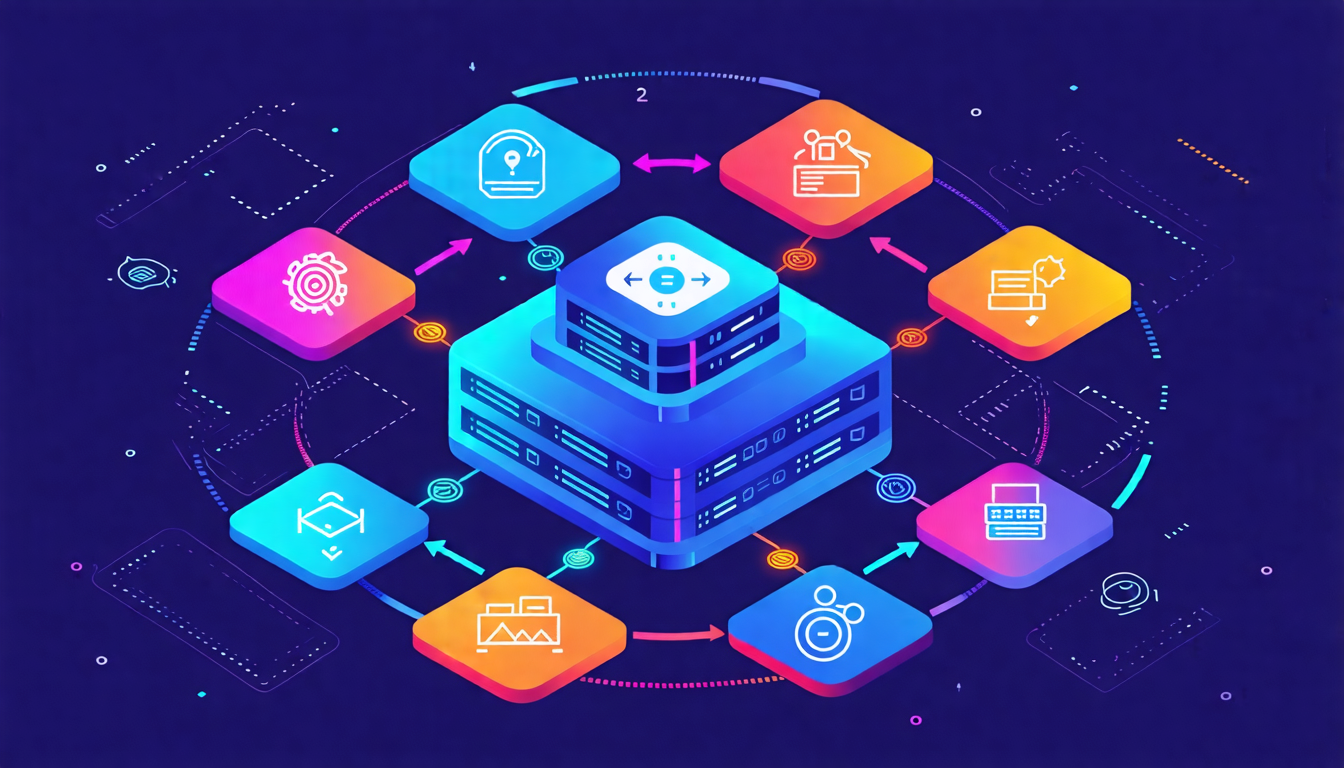
Step-by-Step Guide to Successfully Migrate Your Data to AI Systems
Pre-migration Planning: Data Quality and Compatibility Checks
1. Data Quality Assessment
Before migrating any data to AI systems, it’s crucial to evaluate the quality of your data. Poor quality data can lead to inaccurate AI predictions and unreliable results. Here are some key aspects to consider:
Accuracy: Ensure that the data is correct and free from errors. This involves checking for typos, misdated entries, and other common errors.
Completeness: Verify that your datasets are complete and contain all necessary information. Missing data can skew AI algorithms and results.
Consistency: Data should be consistent across different sources and time periods. Inconsistent data may cause AI models to misinterpret information.
Timeliness: Data needs to be up-to-date and relevant for it to be useful in AI systems.
2. Data Cleansing
Once the quality assessment is complete, the next step is data cleansing. This process involves:
Eliminating Duplicates: Multiple entries of the same data can cause redundancy and incorrect AI output.
Standardizing Data Formats: Ensure all data follows the same protocol for units, dates, names, and other identifiers.
Removing Irrelevant Data: Strip away data points that do not contribute to the AI’s purpose.
3. Compatibility Checks
Ensuring your data is compatible with the AI system is another critical step. Here’s how to begin:
File Formats: Verify that the data files can be read by your AI software. Common formats include CSV, JSON, and Excel files.
Schema Alignment: Ensure the structure of your data matches the requirements of the AI system. Mismatches in data schemas can cause errors during migration.
Scalability: Assess if the AI system can handle the volume and speed of your data. This is especially crucial for real-time data processing.
Execution and Post-migration: Ensuring Data Integrity and System Performance
4. Data Migration Execution
After thorough planning, the next phase is the actual migration. Follow these steps:
Data Backup: Always back up your data before starting the migration. This safety net ensures that you can recover data in case something goes wrong.
Pilot Testing: Conduct a small-scale test migration. This helps identify potential issues and refine the process before a full-scale operation.
Data Mapping: Map the data from the source system to the AI system. This ensures that each data point is accurately migrated to its corresponding place in the new platform.
5. Monitoring During Migration
Real-time monitoring during the migration process is vital to ensure everything goes as planned. Use tools and dashboards to:
Track Progress: Keep an eye on the migration timeline and completion percentage.
Identify Errors: Quickly spot and rectify issues that arise during the migration process.
Ensure Performance: Monitor the system’s performance to ensure it’s handling the data correctly and efficiently.
6. Post-migration Validation
After the migration is complete, it’s essential to validate that everything has been properly transferred and is functioning as expected:
Data Integrity Checks: Verify that all data has been accurately migrated without loss or corruption. Use checksums or hash functions to compare source and destination files.
Functional Testing: Ensure that the AI applications are working correctly with the new data. Run a series of tests to check that the AI is making accurate predictions and providing useful insights.
Performance Testing: Make sure the system performs well under the new data load. This includes assessing system speed, responsiveness, and stability.
7. System Optimization
Once the data migration is validated and the system is up and running, fine-tuning is crucial for optimal performance:
Parameter Tuning: Adjust AI model parameters to improve accuracy and efficiency.
Resource Allocation: Ensure that computational resources (CPU, GPU, memory) are efficiently allocated to handle the new data load.
Continuous Monitoring: Establish ongoing monitoring procedures to ensure the system remains stable and performs well over time.
8. Training and Support
Finally, ensure that all relevant stakeholders and team members are adequately trained and supported:
User Training: Conduct training sessions to familiarize users with the new system and its features.
Documentation: Provide comprehensive documentation that covers all aspects of the data migration and the new AI system.
Support Structures: Set up a robust support system to handle any issues or queries that arise post-migration.
By meticulously following these steps, businesses can ensure a smooth and successful data migration to AI systems, paving the way for enhanced data analysis, improved decision-making, and ultimately, business growth.
As we wrap up our exploration into AI migration and moving your data, it’s clear that embarking on this journey is both a critical and strategic endeavor for modern businesses. In an era where data fuels decision-making and innovation, integrating AI systems can provide substantial competitive advantages. However, careful planning and consideration are paramount to mitigate risks and maximize benefits.
Firstly, businesses must recognize the fundamental importance of AI migration. Ensuring that your organization is AI-ready involves assessing your current infrastructure and capabilities. This step is crucial to identify any potential gaps or weaknesses that could hinder a smooth transition. Evaluating aspects such as data quality, system compatibility, and overall technological readiness will form the foundation of a successful migration.
Once readiness is confirmed, a detailed, step-by-step approach to migration should be adopted. Pre-migration planning cannot be overstated. It involves rigorous checks to ensure data quality and compatibility. This means scrubbing your data of errors, inconsistencies, and any irrelevant information that might affect AI performance. Compatibility checks ensure that your new AI systems can seamlessly integrate with existing data formats and pipelines.
During the actual migration, meticulous execution is key. This phase isn’t just about moving data from point A to point B; it’s about ensuring that data integrity is maintained throughout the process. Continuous monitoring and validation help in maintaining system performance and ensuring that the migration doesn’t disrupt regular operations.
Post-migration, it is vital to conduct thorough testing to confirm that data integrity remains intact and that the AI system functions as expected. Addressing any discrepancies or issues promptly will prevent long-term consequences. Monitoring system performance in real-time helps in making necessary adjustments and improvements, ensuring the AI system operates at its peak potential.
In conclusion, AI migration is more than just a technical upgrade; it’s a strategic move that can redefine how a business operates. By carefully assessing readiness, methodically planning, and executing a migration with precision, businesses can harness the full power of AI. Adopting these practices ensures not just a successful transition, but also paves the way for future growth and technological advancement.


